
Monitoring local SEO performance is key to your business’s online success. It helps you understand your visibility in local searches.
Local SEO ensures your business appears in search results when people look for services nearby. Keeping track of your local SEO performance can seem complex. But with the right approach, it’s manageable. You’ll know how well you’re engaging with the local community.
You’ll see what works and what needs improvement. In this guide, you’ll learn the steps to effectively monitor your local SEO performance. This will help you make informed decisions to boost your local search presence. Ready to dive in? Let’s explore how you can keep an eye on your local SEO success.
Credit: www.cibirix.com
Setting Up Tracking Tools
Monitoring local SEO performance is essential for small businesses. Setting up tracking tools helps you understand how well your strategies work. With the right tools, you can see what needs improvement and what is already successful.
Tracking tools provide valuable insights. They show how users interact with your business online. Below are some essential tools for tracking your local SEO performance.
Google My Business
Google My Business (GMB) is vital for local SEO. It helps businesses appear in local search results. Claim and verify your business on GMB. Ensure all information is accurate and up-to-date. This includes your business name, address, phone number, and hours of operation.
Use GMB insights to monitor performance. Track customer actions like clicks, calls, and direction requests. GMB insights also show how people find your business. This data helps you understand user behavior and improve your local SEO strategy.
Google Analytics
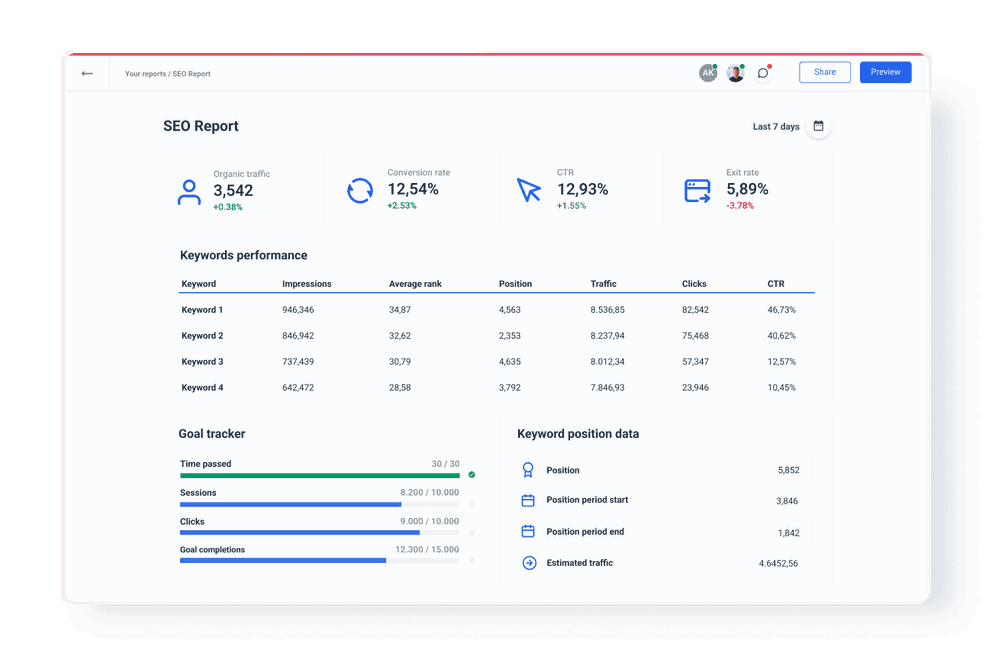
Google Analytics is a powerful tool for tracking website performance. It provides detailed insights into user behavior. Set up Google Analytics on your website to track various metrics. These include page views, bounce rates, and session duration.
Use the location report to see where your visitors come from. This helps you understand your local audience better. Track specific goals and conversions related to local SEO. For example, track contact form submissions or calls from your website.
Google Analytics also helps you understand the effectiveness of your keywords. Monitor which keywords drive traffic to your site. This data helps refine your local SEO strategy.
Credit: whatagraph.com
Keyword Ranking Tracking
Tracking keyword rankings is essential for any local SEO strategy. It helps you see how well your website is performing. You can find out which keywords are driving traffic and which need improvement. Let’s explore how to choose keywords and the tools you can use to track them.
Choosing Keywords
Selecting the right keywords is the first step. Focus on local keywords that your target audience might use. Think about what your customers search for when looking for your services or products.
- Use geo-specific terms. For example, “best pizza in Chicago”.
- Consider long-tail keywords. These are more specific phrases. They often have lower competition.
- Analyze your competitors. See which keywords they rank for.
Use tools like Google Keyword Planner or Ahrefs to find suitable keywords. These tools can help you identify search volume and competition levels.
Tracking Tools
Once you have your keywords, you need to track their performance. Several tools can help with this:
| Tool | Description |
|---|---|
| Google Search Console | Shows which keywords your site ranks for and their position. |
| SEMrush | Provides detailed keyword tracking and competitor analysis. |
| Ahrefs | Helps track keyword rankings and offers in-depth SEO insights. |
| Moz | Offers keyword tracking and local SEO tools. |
Regularly check your keyword rankings. Look for patterns and trends. Adjust your SEO strategy based on the data you collect. This will help improve your local SEO performance over time.
Monitoring Local Listings
Keeping an eye on your local listings is crucial for local SEO success. Local listings include your business name, address, phone number, and other vital details. These listings appear on platforms like Google My Business, Yelp, and Bing Places. Monitoring them ensures your business information is consistent and accurate. This helps in improving your local search rankings and attracting more customers.
Consistency Across Platforms
Consistency is key in local SEO. Ensure your business details are the same across all platforms. This includes your business name, address, and phone number (NAP). Inconsistent information can confuse search engines and potential customers. Consistent details build trust and credibility.
Here’s a simple table to track NAP consistency:
| Platform | Business Name | Address | Phone Number |
|---|---|---|---|
| Google My Business | ABC Store | 123 Main St | (123) 456-7890 |
| Yelp | ABC Store | 123 Main St | (123) 456-7890 |
| Bing Places | ABC Store | 123 Main St | (123) 456-7890 |
Using Listing Management Tools
Listing management tools help you maintain consistent business information. They can update your details across multiple platforms at once. Some popular tools include Moz Local, Yext, and BrightLocal. These tools save time and reduce errors.
- Moz Local: Helps you manage local listings and monitor your online presence.
- Yext: Synchronizes your business information across various directories.
- BrightLocal: Provides tools for managing and tracking local SEO performance.
Using these tools ensures your business information stays up-to-date. This improves your local SEO and makes it easier for customers to find you.
Analyzing Website Traffic
Monitoring local SEO performance is crucial for any business focused on a specific region. Analyzing website traffic helps understand how users interact with your site. This analysis reveals insights into traffic sources and user behavior.
Traffic Sources
Identify where your visitors are coming from. Check if they are finding your site through search engines, social media, or direct visits. Knowing your traffic sources helps you understand which channels are most effective. Focus on improving these channels to drive more local traffic.
User Behavior
Observe how users behave once they land on your site. Look at metrics like average session duration and pages per session. Are visitors engaging with your content or leaving quickly? High bounce rates might indicate that your content isn’t meeting their needs.
Also, track the paths users take through your site. See which pages they visit most often. This can highlight popular content and help you understand what your audience values.
Tracking User Engagement
Tracking user engagement is vital for understanding how your local SEO efforts are performing. By monitoring user interactions, you can gain insights into what works and what needs improvement. This helps in optimizing your strategies and driving better results.
Click-through Rates
Click-Through Rates (CTR) measure how often users click on your listing after seeing it. High CTR indicates that your listing is appealing and relevant. To improve CTR, ensure your meta titles and descriptions are compelling. Use keywords that match user intent. Keep it clear and concise.
Conversion Rates
Conversion Rates show the percentage of users who take a desired action. This could be making a purchase, filling out a form, or calling your business. A high conversion rate means your website effectively converts visitors into customers. To boost conversion rates, focus on user experience. Make sure your site is easy to navigate. Provide clear calls-to-action. Ensure your content is relevant and persuasive.

Credit: www.buzzboard.ai
Managing Reviews And Ratings
Monitoring local SEO performance is not complete without managing reviews and ratings. Reviews are crucial for local SEO. They build trust and influence consumer decisions. Here’s how to manage reviews and ratings effectively.
Review Generation
Generating reviews is the first step. Encourage customers to leave feedback. Make the process easy. Provide direct links to review sites. Send follow-up emails asking for reviews.
- Offer incentives for reviews, like a small discount.
- Use signage in-store to remind customers.
- Include a review request in receipts or invoices.
Positive reviews boost your local SEO. Search engines value businesses with good reviews. They rank higher in local search results.
Responding To Reviews
Responding to reviews shows customers you care. It builds trust and improves your image. Thank customers for positive reviews. Address any concerns in negative reviews.
| Review Type | Response Strategy |
|---|---|
| Positive Reviews | Thank the customer. Reinforce the positive experience. |
| Negative Reviews | Acknowledge the issue. Offer a solution or apology. |
Stay professional. Keep responses short and to the point. This shows potential customers that you value feedback and are responsive.
Competitor Analysis
Competitor analysis is a vital part of monitoring your local SEO performance. Understanding what your competitors are doing can provide insights into improving your own strategy. By analyzing their strengths and weaknesses, you can identify opportunities for growth.
Identifying Competitors
First, determine who your main competitors are. These are businesses offering similar products or services in your area. Use Google search to see which businesses appear for your target keywords. Also, check local business directories and social media platforms.
Make a list of the top competitors. Aim for at least five. This will give you a broad perspective of the competitive landscape. Once identified, gather information about their online presence. Look at their websites, blogs, and social media profiles.
Comparing Performance
Next, compare your performance with your competitors. Use tools like Google Analytics, SEMrush, or Ahrefs. These tools can provide data on keyword rankings, backlinks, and traffic. Look at the keywords your competitors rank for. See if you are missing any important ones.
Examine their content strategy. See how often they publish new content and what topics they cover. Look at their backlink profile. Find out where they are getting links from. This information can help you improve your own link-building efforts.
Check their social media activity. See how engaged their audience is. Look at the types of posts that get the most interaction. This can help you refine your own social media strategy.
By regularly monitoring these factors, you can stay ahead in the local SEO game. It helps you understand what works and what doesn’t. This way, you can adjust your strategy accordingly.
Reporting And Optimization
Monitoring local SEO performance requires consistent reporting and optimization. These processes help you understand how well your strategies are working. You can then make necessary adjustments to improve your local search rankings. Let’s dive into the key aspects of reporting and optimization.
Creating Reports
Regular reports are essential for tracking your local SEO performance. Use tools like Google Analytics and Google Search Console. These tools provide valuable insights. Include metrics such as local search traffic, click-through rates, and keyword rankings. Visualize data with charts and graphs. This makes it easier to understand trends.
Making Data-driven Decisions
Analyze your reports to identify patterns and areas needing improvement. Focus on metrics like user behavior and conversion rates. Look for keywords that drive the most traffic. Optimize your content around these keywords. Adjust your local SEO strategy based on the data. This ensures your efforts are always targeted and effective.
Frequently Asked Questions
How To Check Local Seo Performance?
Check local SEO performance by tracking Google My Business insights, analyzing local keyword rankings, monitoring reviews, and using analytics tools.
How Do You Measure Performance Of Seo?
Measure SEO performance using metrics like organic traffic, keyword rankings, bounce rate, conversion rate, and backlinks. Use tools like Google Analytics and Google Search Console for insights.
How To Audit Local Seo?
Audit local SEO by checking Google My Business listing, NAP consistency, local reviews, on-page SEO, and backlinks.
How Do I Check If My Seo Is Good?
Use tools like Google Analytics, Search Console, and SEO audits. Check organic traffic, keyword rankings, and site health.
Conclusion
Effective local SEO monitoring leads to better business visibility. Track your rankings regularly. Analyze traffic data to understand customer behavior. Use local listings to maintain accurate information. Reviews and feedback also provide valuable insights. Adjust your strategy based on performance metrics.
Implement these steps consistently. Your local SEO will improve over time. Stay patient and persistent. Success in local SEO requires ongoing effort and attention.


