
Using a website builder is simple. You don’t need to know how to code.
It’s perfect for beginners and small business owners. Creating a website used to be a complex task. Today, website builders make it easy. These tools allow anyone to create a professional site without technical skills. You can choose a template, customize it, and publish your site in no time.
This guide will help you understand the basics of using a website builder. From selecting the right one to creating your first page, we’ve got you covered. Let’s get started on your journey to building a great website.
Introduction To Website Builders
Creating a website can be a daunting task. This is especially true for those without coding experience. Fortunately, website builders make this process simple and accessible.
Website builders are tools that help users create websites without needing to write code. They offer various features and templates to streamline the process.
What Is A Website Builder?
A website builder is a tool designed to help users create websites easily. These tools usually come with drag-and-drop interfaces. This means you can add elements to your website by clicking and dragging them.
Website builders often include pre-designed templates. These templates give your website a professional look without much effort. You can customize these templates to fit your needs.
Benefits Of Using Website Builders
Using a website builder offers several benefits:
- Ease of Use: Most website builders are user-friendly. You don’t need any coding knowledge.
- Cost-Effective: Website builders are often cheaper than hiring a web developer.
- Quick Setup: You can have your website up and running in no time.
- Customer Support: Many builders offer customer support to help you with any issues.
- Customization: You can easily customize your site to match your brand.
Website builders simplify the process of creating a website. They are perfect for beginners and small businesses. With a website builder, anyone can create a website quickly and affordably.
Credit: www.inmotionhosting.com
Choosing The Right Website Builder
Choosing the right website builder is crucial for creating your online presence. The right tool can make website building easy and fun. It allows you to focus on your content and design. But with many options available, how do you choose the right one?
Factors To Consider
There are several factors to consider when choosing a website builder. First, think about your budget. Some builders are free, while others require a subscription.
Next, consider your technical skills. Some website builders are easy to use with drag-and-drop features. Others may require some coding knowledge.
Look at the templates and design options. Make sure the builder offers designs that fit your brand. Check if the builder provides mobile-friendly templates.
Also, consider the features you need. Do you need e-commerce capabilities? Are blogging tools important to you? Make sure the builder offers the features you need.
Finally, think about customer support. Choose a builder with good customer service. You want to know help is available if you need it.
Popular Website Builders
Several website builders are popular for their ease of use and features. Wix is known for its drag-and-drop interface. It offers many templates and customization options.
Squarespace is another popular choice. It provides beautiful, professional templates. It also offers strong e-commerce capabilities.
WordPress.com is great for bloggers and small businesses. It offers a range of themes and plugins. It’s also highly customizable.
Weebly is user-friendly and offers a variety of design options. It also has e-commerce features for online stores.
Shopify is ideal for those who want to build an online store. It offers many e-commerce tools and integrations.
These builders offer different strengths. Choose the one that best fits your needs and skills.
Setting Up Your Account
Getting started with a website builder is an exciting step. The first step is to set up your account. This process is simple and straightforward. Let’s dive into the details.
Creating An Account
To create an account, follow these steps:
- Visit the website builder’s homepage.
- Look for the Sign Up or Get Started button.
- Click on it to open the registration form.
- Fill in your email address and create a password.
- Agree to the terms and conditions.
- Submit the form to create your account.
Some website builders may ask for additional information. This can include your name, business name, or phone number. Make sure to provide accurate details to avoid any issues later.
Selecting A Plan
Once your account is created, the next step is to choose a plan. Most website builders offer multiple plans to suit different needs. Here is a quick overview:
| Plan | Features | Best For |
|---|---|---|
| Free | Basic features, limited storage | Personal projects, beginners |
| Basic | More storage, custom domain | Small businesses |
| Premium | Advanced features, priority support | Large businesses, e-commerce |
Evaluate your needs before selecting a plan. Consider factors like storage, custom domain, and support. Choose a plan that fits your requirements and budget.
After selecting a plan, you may need to provide payment information. Many website builders offer a free trial period. This allows you to test the features before committing to a paid plan.
With your account set up and plan selected, you are now ready to start building your website. Stay tuned for our next section on designing your site!
Selecting A Template
Choosing the right template is crucial for your website. It sets the tone and look of your site. A good template can make your website stand out.
Importance Of A Good Template
A good template ensures your website is visually appealing. It attracts visitors and keeps them engaged. A well-designed template also improves user experience. This helps in easy navigation and readability.
A good template should be responsive. This means it should look good on all devices, including mobiles and tablets. Most people browse websites on their phones. So, a responsive design is essential.
Customizing Your Template
Customization helps in making your website unique. You can change colors, fonts, and layouts. This aligns the site with your brand’s identity.
Most website builders offer drag-and-drop features. This makes customization easy. You don’t need coding skills to make changes. Simply select the element and place it where you want.
Here is a simple customization checklist:
- Logo: Add your brand logo.
- Colors: Use your brand colors.
- Fonts: Choose readable fonts.
- Images: Use high-quality images.
- Content: Ensure your text is clear and concise.
Make sure to preview your changes. This helps in seeing how your website looks before it goes live. Always test on different devices to ensure everything looks perfect.
Designing Your Website
Designing your website is a crucial step. It involves creating a layout that is both attractive and functional. Your website’s design should reflect your brand and meet the needs of your visitors. Here’s how you can effectively design your website using a website builder.
Adding Pages And Sections
To start, add the necessary pages and sections. Most websites have these basic pages:
- Home
- About
- Services
- Contact
Use your website builder’s tools to add these pages. Often, there are templates available to simplify this process. Each page should have clear and concise content. Avoid clutter. Keep the design clean and easy to navigate.
Incorporating Media And Graphics
Visual elements are important. They make your website more engaging. Here are some types of media and graphics you can add:
- Images
- Videos
- Icons
- Infographics
Ensure that all media is high-quality and relevant to your content. You can use stock images or create your own. Many website builders allow you to drag and drop these elements into place. This makes it easy to add visual interest to your site.
Using Tables For Organized Information
Tables are useful for organizing information. They help display data clearly. For example, you can use a table to compare features of your products:
| Feature | Product A | Product B |
|---|---|---|
| Price | $10 | $15 |
| Color | Red | Blue |
Adding a table is simple with a website builder. Most have a table function built in. This allows you to input your data and customize the look.
Tips For A User-friendly Design
Keep these tips in mind for a user-friendly design:
- Use a simple and clean layout.
- Ensure your text is easy to read.
- Make navigation intuitive.
- Optimize for mobile devices.
By focusing on these elements, you can create a website that is both beautiful and functional. Your visitors will have a better experience, which can lead to more engagement and conversions.
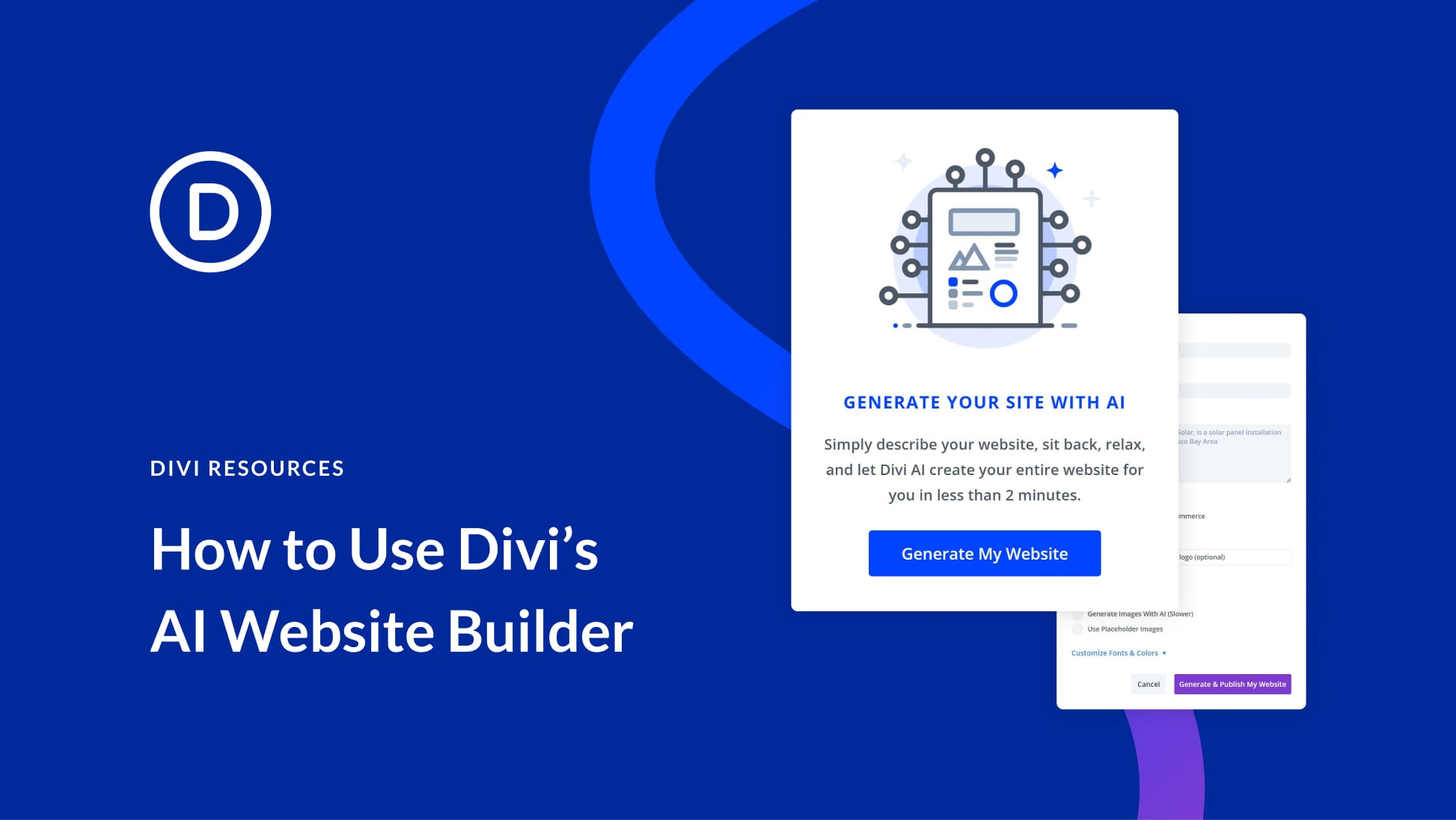
Credit: www.elegantthemes.com
Optimizing For Mobile
Optimizing your website for mobile is essential. Many users access websites on their smartphones. A mobile-friendly site can increase engagement and reduce bounce rates. Website builders make mobile optimization easy. Here’s how to ensure your site is mobile-friendly.
Ensuring Mobile Responsiveness
Choose a responsive design template from your website builder. This ensures your site adapts to different screen sizes. Check the preview mode in the builder. It shows how your site looks on mobile devices. Avoid using large images and complex layouts. They can slow down loading times.
Testing On Different Devices
Once your site is built, test it on various devices. Use actual smartphones and tablets. This gives you a real user perspective. Also, use online tools for mobile testing. They simulate different devices and screen sizes. Fix any issues you find during testing. This ensures a smooth user experience for everyone.
Integrating Features And Plugins
Integrating features and plugins can greatly enhance your website’s functionality. A website builder makes it easy to add these elements. This guide will help you understand the importance of these tools. You will learn how to choose and use them effectively.
Essential Plugins
Plugins are add-ons that provide extra features. They can help with many tasks. For example, security, SEO, and design. Choose plugins that are trusted and have good reviews. This ensures your website stays secure and performs well.
Some essential plugins include SEO tools. These help your site rank higher on search engines. Security plugins protect your website from threats. Backup plugins save your data in case of a crash. Adding these will improve your website’s efficiency and safety.
Enhancing Functionality
Plugins can also enhance your website’s functionality. They offer many options to improve user experience. For example, contact forms allow visitors to reach you easily. Social media integrations help you connect with your audience. E-commerce plugins let you sell products online.
Choose plugins that align with your goals. If you want to build a community, add a forum plugin. For better performance, use a caching plugin. These tools will make your website more dynamic and engaging. Always keep your plugins updated. This ensures they work correctly and keeps your site secure.
Publishing And Maintaining Your Website
Once you’ve created your website, the next steps are crucial. Publishing and maintaining your site ensures it remains functional and engaging. This guide will help you navigate these essential processes.
Reviewing Before Launch
Before you publish your website, review everything carefully. Ensure all links work and images load correctly. Check the text for spelling and grammar errors. Here are some key points to consider:
- Test all forms and interactive elements.
- Ensure the website is mobile-friendly.
- Verify that all pages are correctly linked.
- Check for consistency in fonts and colors.
These steps will help you catch potential issues. A smooth launch is vital for making a good first impression.
Regular Updates And Maintenance
Maintaining your website is an ongoing task. Regular updates keep your content fresh and relevant. Follow these guidelines to keep your site in top shape:
- Update content regularly to keep it current.
- Check for broken links and fix them promptly.
- Ensure all plugins and themes are up-to-date.
- Back up your website regularly to avoid data loss.
By doing these tasks, you ensure your website runs smoothly. A well-maintained site keeps visitors coming back and improves your site’s ranking.
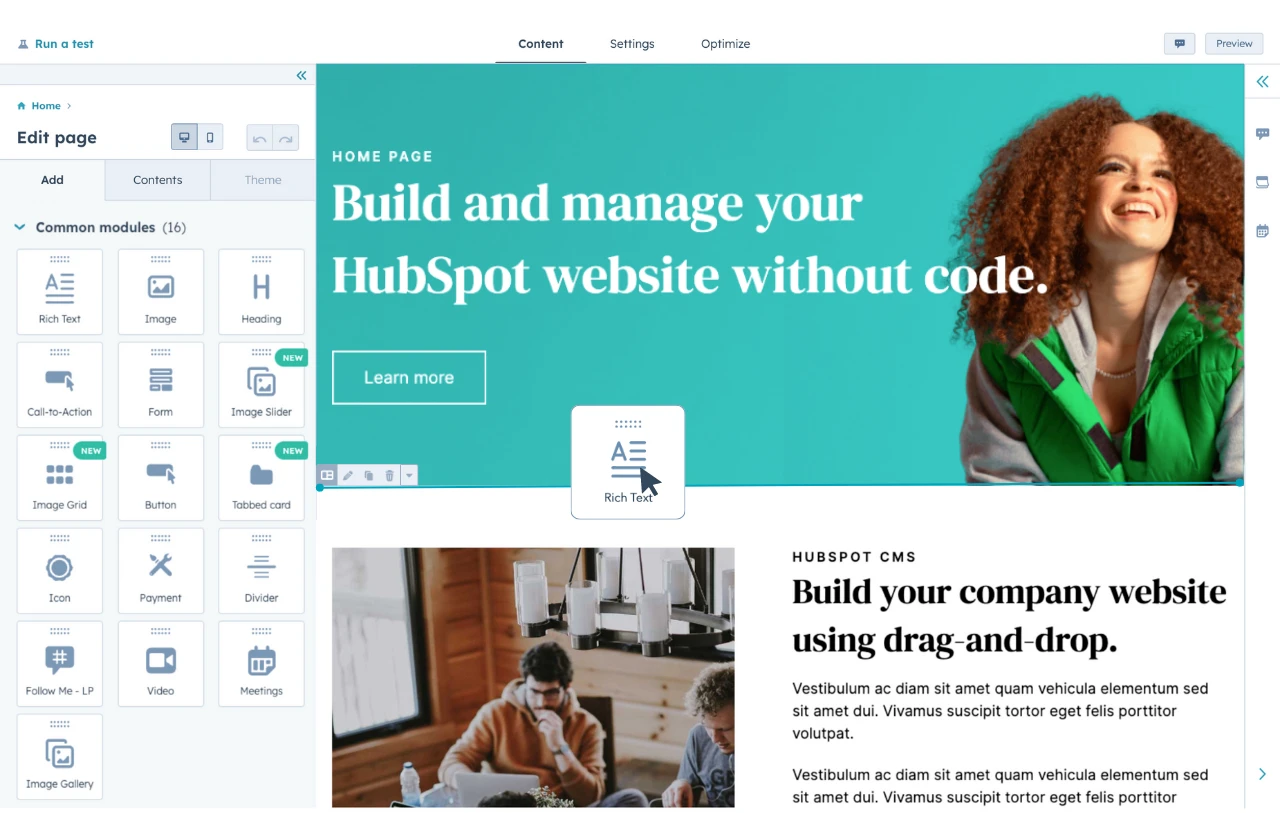
Credit: www.hubspot.com
Frequently Asked Questions
What Is The Average Cost Of A Website Build?
The average cost of a website build ranges from $1,000 to $10,000. Prices vary based on features and complexity.
What Is The Difference Between A Page Builder And A Website Builder?
A page builder customizes individual pages, while a website builder creates and manages the entire website. Page builders focus on layout and design, website builders offer broader tools including hosting and domain management.
Can I Use My Own Domain With A Free Website Builder?
Yes, many free website builders allow you to use your own domain. Check their specific terms for details.
Is It Worth Using A Website Builder?
Yes, using a website builder is worth it. It saves time and money. It offers user-friendly tools and templates. No coding skills are needed. It ensures a professional look.
Conclusion
Building a website can be easy with the right tools. Website builders simplify the process. Follow the steps, and your site will be ready. Choose a template, customize it, and add content. Remember to check your work. Make sure everything looks good.
Publish your site, and share it with others. Enjoy your new website!


