
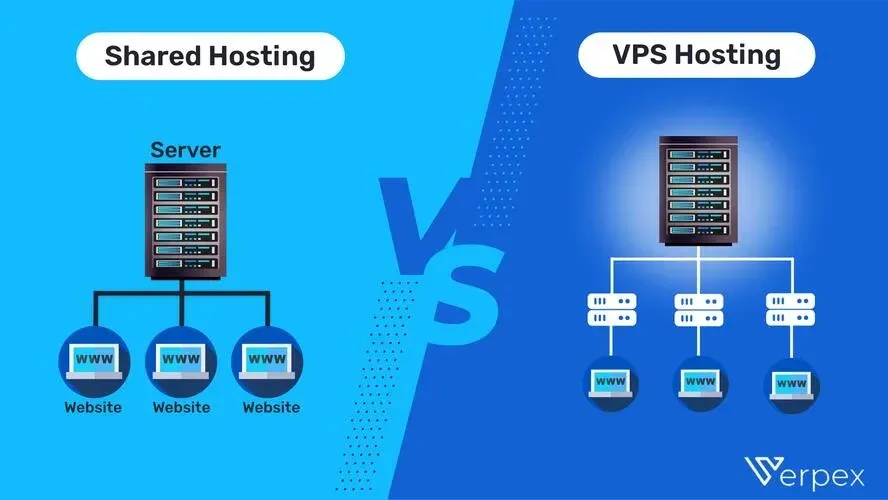
Choosing the right hosting plan is crucial for your website. Two popular options are VPS hosting and shared hosting.
Both have their pros and cons. Understanding the difference between VPS hosting and shared hosting can guide you to the best choice for your needs. Shared hosting means you share server resources with other websites. It’s often cheaper and easier to manage.
VPS hosting, on the other hand, offers dedicated resources on a virtual server. It provides more control and better performance. Deciding between these two can impact your website’s speed, security, and scalability. This blog will explore the key differences, helping you make an informed decision. Let’s dive into the details of VPS hosting vs shared hosting.
What Is Vps Hosting?
VPS Hosting is a popular choice for many website owners. It offers more control and flexibility compared to shared hosting. Understanding VPS Hosting can help you decide if it’s right for you.
Definition
VPS stands for Virtual Private Server. It is a virtualized server that acts like a dedicated server within a larger server. Each VPS operates independently from others on the same physical server.
How It Works
A physical server is divided into several virtual servers using software. Each virtual server gets its own resources. This includes CPU, RAM, and storage. Users can install their own operating system and software. This allows more customization and control.
Advantages
VPS Hosting offers several benefits. First, it provides better performance. Each VPS has dedicated resources. This ensures stable performance. Second, it offers improved security. Your data is isolated from others. Third, VPS allows more control. You can install and configure software to meet your needs. Lastly, it is scalable. You can easily upgrade resources as your website grows.
What Is Shared Hosting?
Shared hosting is a popular and affordable web hosting option. It is ideal for beginners and small businesses. Let’s dive into what shared hosting entails.
Definition
Shared hosting means multiple websites share the same server. Each site gets a portion of the server’s resources. This includes CPU, RAM, and storage.
How It Works
A single server hosts many websites. The server’s resources are divided among all users. Hosting companies manage the server. They handle maintenance and security updates.
Users do not need technical knowledge. This setup is user-friendly and easy to manage. Control panels simplify tasks like setting up email accounts or installing software.
Advantages
Shared hosting is cost-effective. It is cheaper than other hosting types. This makes it perfect for those on a budget.
It is easy to use. Control panels make website management simple. Users can focus on their content, not technical details.
Hosting companies offer support. They handle server maintenance and security. This provides peace of mind for users.
Shared hosting plans are flexible. Many hosting providers offer scalable options. Users can upgrade as their website grows.
Performance Comparison
Choosing between VPS hosting and shared hosting can be challenging. Performance is a key factor to consider. This section will compare the performance of VPS hosting and shared hosting.
Speed And Uptime
Speed and uptime are critical for website performance. Shared hosting often has slower speeds. Many users share the same server resources. This can lead to slower load times. Uptime can also be affected if one site uses too many resources.
VPS hosting offers better speed and uptime. Each site has its own dedicated resources. This means fewer slowdowns. Uptime is more reliable. Your site is less affected by other users.
Resource Allocation
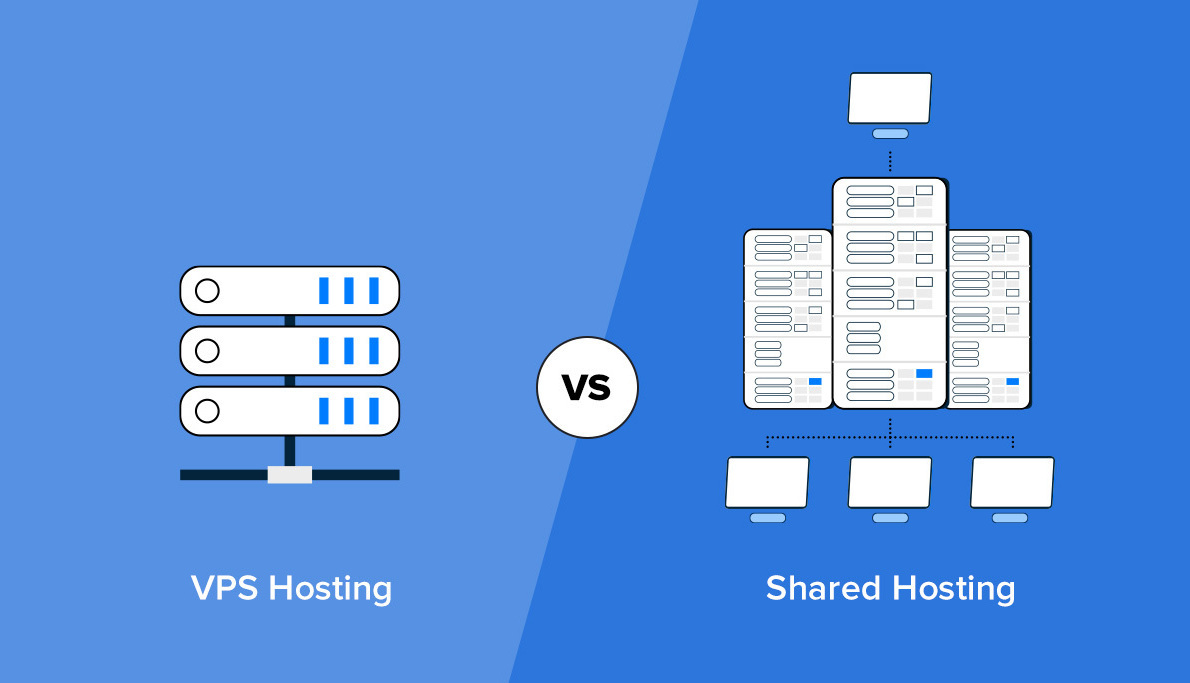
Resource allocation is important for performance. Shared hosting divides resources among many sites. This can limit your site’s performance. During peak times, your site may slow down.
VPS hosting provides dedicated resources. Your site gets a fixed amount of CPU, RAM, and storage. This ensures consistent performance. Your site is not affected by other sites on the server.
Credit: stablepoint.com
Cost Analysis
Choosing between VPS hosting and shared hosting involves several factors. One of the most important is cost. Understanding the pricing of each can help you make an informed decision.
Pricing Of Vps Hosting
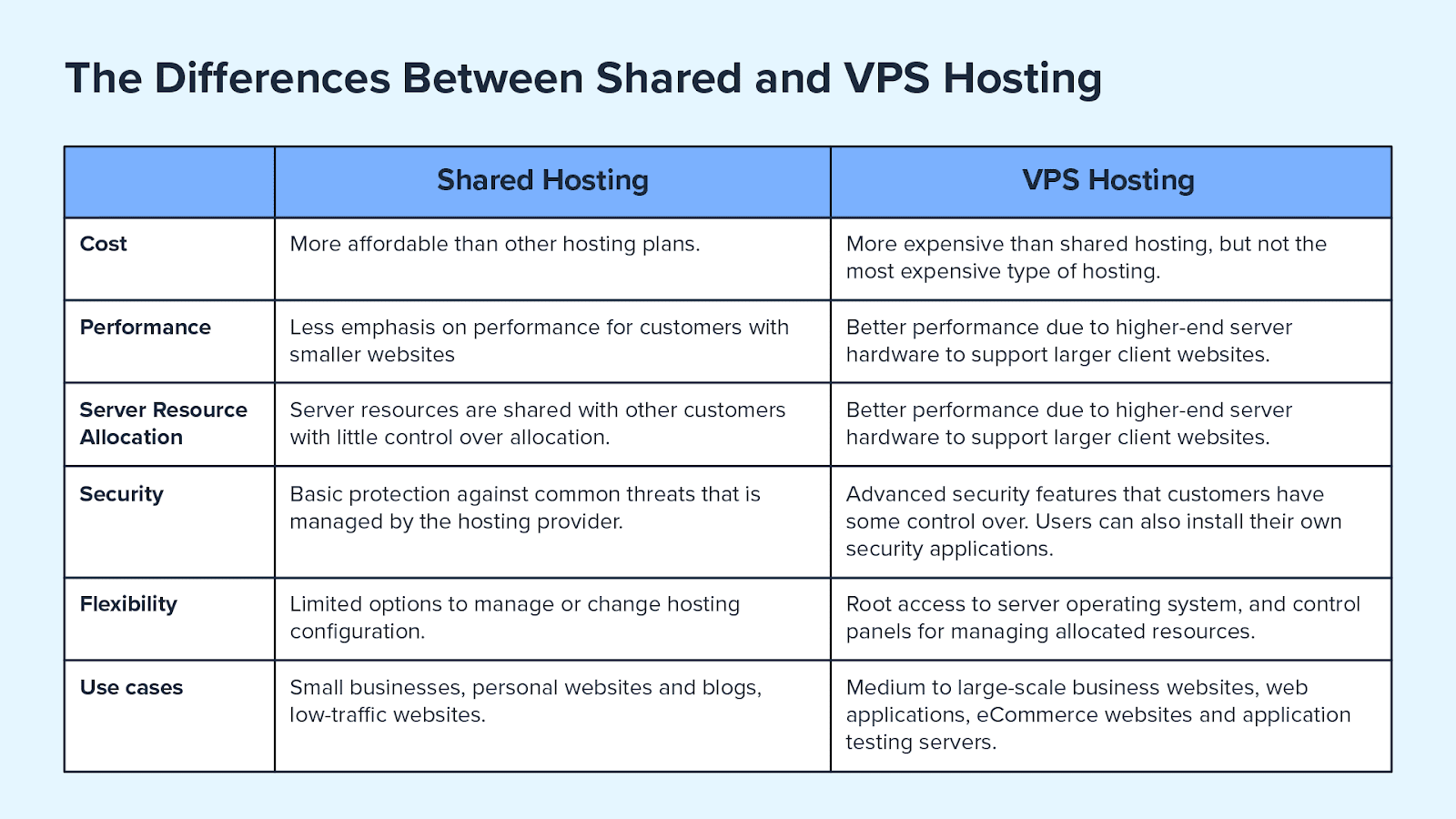
VPS hosting is generally more expensive than shared hosting. This is because you get dedicated resources. Prices for VPS hosting usually start around $20 per month. Higher plans can go up to $100 or more. The cost depends on the resources you need. More CPU, RAM, and storage increase the price. VPS hosting is a good option for businesses that need reliability.
Pricing Of Shared Hosting
Shared hosting is usually the cheaper option. Prices often start at $3 to $10 per month. This makes it a popular choice for beginners and small websites. The low cost is due to sharing resources with other websites. This can be a good option for low-traffic sites. But it may not be ideal for high-traffic or resource-heavy websites.
Value For Money
VPS hosting offers better value for businesses needing dedicated resources. The higher cost is justified by the performance and reliability. Shared hosting offers great value for small websites. It is a cost-effective way to get online quickly. But it may not provide the performance needed for larger websites. Consider your needs and budget to determine which hosting offers the best value for you.
Scalability
Choosing between VPS hosting and shared hosting can be challenging. Scalability is a key factor in making this decision. Scalability refers to the ability to grow and handle increased traffic. Let’s explore how VPS and shared hosting compare in terms of scalability.
Vps Hosting Scalability
VPS hosting offers significant scalability. With VPS, you can easily upgrade resources. More CPU, RAM, and storage are available as needed. This means your site can handle more traffic. VPS hosting is ideal for growing websites. It provides flexibility and control over your resources.
Shared Hosting Scalability
Shared hosting has limited scalability. You share resources with other websites. Upgrading resources is often restricted. High traffic can slow down your site. Shared hosting works best for small sites with low traffic. It does not offer the same growth potential as VPS hosting.

Credit: www.temok.com
Security Features
Security features are crucial for any website. They protect data, maintain trust, and ensure smooth operations. Whether you choose VPS hosting or shared hosting, understanding their security aspects is vital. Each hosting type offers different levels of security. Let’s explore the security features of both.
Vps Hosting Security
VPS hosting provides isolated environments for each user. This isolation enhances security. Each VPS operates independently. If one VPS gets attacked, others remain unaffected. VPS users get dedicated resources. No sharing of CPU, RAM, or storage. This reduces vulnerabilities.
VPS hosting often includes advanced security measures. Users can install custom firewalls. They have the ability to configure security settings. VPS hosting also supports regular backups. These backups protect data from loss. Users can restore their data quickly.
Administrators have root access in VPS hosting. This allows them to implement strong security protocols. They can install security patches promptly. Regular updates keep the system secure. VPS hosting also supports SSL certificates. These certificates encrypt data. Making it safer.
Shared Hosting Security
Shared hosting involves multiple websites on one server. These websites share resources. This sharing can pose security risks. If one site gets compromised, others might be at risk. Shared hosting users have limited control. They cannot install custom firewalls. Security settings are often pre-configured.
Shared hosting usually includes basic security measures. Providers often offer regular backups. These backups are essential for data recovery. Shared hosting also supports SSL certificates. Many providers offer free SSL. This ensures encrypted data transmission.
While shared hosting is less secure than VPS, it is suitable for small websites. Providers continuously monitor servers. They implement security updates. These measures help protect shared hosting environments. But, users must be cautious. They should choose a reliable hosting provider.
Ease Of Use
Choosing between VPS hosting and shared hosting can be tricky. Ease of use is a major factor to consider. This section will help you understand how user-friendly each option is. We will discuss the User Interface and Technical Support for both hosting types.
User Interface
Shared hosting is known for its simple user interface. It is designed for beginners. Most shared hosting plans come with a control panel like cPanel or Plesk. These panels are easy to navigate. You can manage your website with just a few clicks. No technical skills are needed.
On the other hand, VPS hosting can be more complex. You get more control over your server. This means a more advanced interface. Some VPS providers offer a control panel, but it might not be as user-friendly as shared hosting panels. If you are tech-savvy, you will enjoy the extra control. If not, you might find it overwhelming.
| Hosting Type | User Interface |
|---|---|
| Shared Hosting | Simple, beginner-friendly |
| VPS Hosting | Advanced, more control |
Technical Support
Shared hosting usually offers excellent technical support. Providers know that beginners use shared hosting. Support teams are ready to help with any issues. You can reach out via live chat, phone, or email. The response time is usually quick.
With VPS hosting, the level of support can vary. Managed VPS hosting comes with good support. You get help similar to shared hosting. Unmanaged VPS hosting means you are on your own. You need to handle most technical issues yourself. This can be tough if you lack technical skills.
| Hosting Type | Technical Support |
|---|---|
| Shared Hosting | Excellent, beginner-friendly |
| VPS Hosting (Managed) | Good, similar to shared hosting |
| VPS Hosting (Unmanaged) | Limited, self-managed |
Credit: www.bluehost.com
Ideal Use Cases
Choosing between VPS hosting and shared hosting can be tricky. Each type has its ideal use cases. This section will help you understand which hosting option is best for your needs. We will look at both small and growing websites.
Best For Small Websites
Shared hosting is a popular choice for small websites. It’s affordable and easy to manage. Here are some ideal use cases:
- Personal blogs: Easy to set up and maintain.
- Small business sites: Perfect for showcasing products or services.
- Portfolio websites: Great for artists and freelancers.
- Community forums: Ideal for small online communities.
Shared hosting is cost-effective. It doesn’t require technical expertise. It’s a good starting point for beginners. The resources are shared among many users, so it’s best for low-traffic sites.
Best For Growing Websites
VPS hosting is ideal for growing websites. It offers more resources and flexibility. Here are some use cases where VPS hosting shines:
- E-commerce sites: Handles more traffic and transactions.
- High-traffic blogs: Needs better performance and uptime.
- Web apps: Requires more server control and customization.
- Medium to large business sites: Needs better security and scalability.
VPS hosting provides dedicated resources. This ensures better performance. It also allows for more customization and control. This makes it a good choice for websites that need to scale.
| Hosting Type | Ideal For |
|---|---|
| Shared Hosting | Small blogs, personal sites, small business sites |
| VPS Hosting | E-commerce, high-traffic blogs, web apps, medium to large business sites |
Frequently Asked Questions
What Is Vps Hosting?
VPS hosting provides dedicated resources on a virtual server. It offers more control, customization, and performance compared to shared hosting.
What Is Shared Hosting?
Shared hosting involves multiple websites sharing a single server. It is cost-effective but offers limited resources and performance.
How Does Vps Hosting Work?
VPS hosting uses virtualization technology to create multiple virtual servers. Each virtual server functions independently with dedicated resources.
How Does Shared Hosting Work?
Shared hosting hosts multiple websites on a single server. Resources are shared among all websites, leading to potential performance issues.
Conclusion
Choosing between VPS hosting and shared hosting depends on your needs. Shared hosting suits small websites with low traffic. It’s budget-friendly and easy to manage. VPS hosting offers more control and better performance. Ideal for growing websites with higher traffic.
Consider your budget and technical skills before deciding. Both options have their pros and cons. Evaluate what fits best for your website. Make an informed choice for a smooth hosting experience.


