
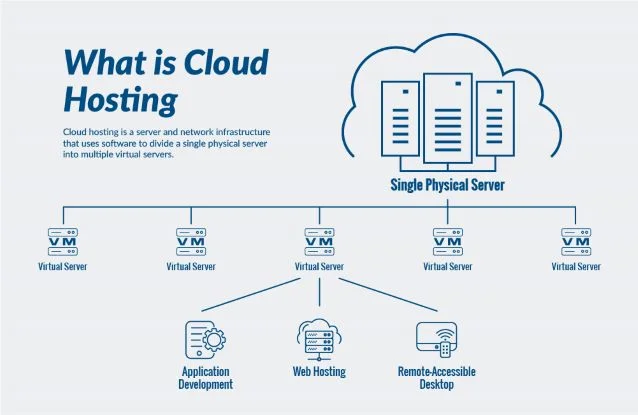
Cloud hosting is a type of web hosting. It uses multiple servers to balance load and maximize uptime.
In the digital age, reliable website performance is crucial. Traditional hosting relies on a single server, which can be risky if it fails. Cloud hosting changes the game by using a network of servers. This network ensures your website stays online, even if one server has issues.
It offers better performance, flexibility, and scalability. Businesses of all sizes can benefit from cloud hosting. Whether you’re running a small blog or a large e-commerce site, cloud hosting can meet your needs. This introduction will help you understand the basics and advantages of cloud hosting. Let’s dive in!
Credit: verpex.com
Introduction To Cloud Hosting
Understanding cloud hosting is crucial in today’s digital landscape. Many businesses are moving to cloud hosting for better efficiency and flexibility. This section will explain the basics and benefits of cloud hosting.
Basics Of Cloud Hosting
Cloud hosting uses multiple servers to balance the load and maximize uptime. Instead of relying on a single server, your website uses a network of connected servers, often spread across various locations. This setup offers high availability and scalability.
Cloud hosting can handle sudden traffic spikes easily. Resources are allocated as needed, ensuring consistent performance.
Why Choose Cloud Hosting?
There are several reasons to opt for cloud hosting:
- Scalability: Cloud hosting allows you to scale resources up or down based on demand.
- Reliability: With multiple servers, the risk of downtime is minimal.
- Cost-Effectiveness: You pay for what you use, making it a budget-friendly option.
- Performance: Websites load faster due to optimized resource allocation.
- Security: Enhanced security features protect data from breaches.
Choosing cloud hosting can be beneficial for both small and large websites. It offers flexibility, reliability, and cost savings.
Benefits Of Cloud Hosting
Cloud hosting offers several benefits that can significantly improve your website’s performance and management. It provides a solution tailored to modern needs, ensuring your site remains reliable, fast, and accessible. Let’s explore some of the key benefits of cloud hosting.
Scalability And Flexibility
Cloud hosting adapts to your needs. You can easily scale resources up or down. This flexibility is crucial during traffic spikes or slow periods. You only pay for what you use, saving costs. Need more bandwidth? Increase it instantly. No need for hardware changes.
Enhanced Performance
Cloud hosting provides excellent performance. Your site is hosted on multiple servers, not just one. This reduces downtime and speeds up load times. It ensures your site stays online, even if one server fails. Fast loading times improve user experience. Happy users mean lower bounce rates.
How Cloud Hosting Works
Cloud hosting uses a network of servers to store and manage data. Unlike traditional hosting, it does not rely on a single server. This setup offers more flexibility and reliability. Understanding how cloud hosting works helps in making better choices for your website.
Infrastructure And Technology
Cloud hosting relies on a network of physical and virtual servers. These servers are connected to form a cloud. Each server in the cloud shares resources. This ensures better performance and reliability.
Data is stored across multiple servers. This reduces the risk of data loss. If one server fails, another server takes over. This process is seamless and ensures uptime. The technology behind cloud hosting includes virtualization, which allows efficient resource allocation.
Load Balancing
Load balancing is a key feature of cloud hosting. It distributes incoming traffic across multiple servers. This ensures no single server is overwhelmed. It helps in maintaining speed and reliability. If one server gets too busy, traffic is redirected to another.
This process is automatic and quick. Load balancing improves user experience. It ensures your website remains accessible and fast. It also helps in handling traffic spikes. This makes cloud hosting ideal for websites with varying traffic loads.
Types Of Cloud Hosting
Cloud hosting comes in different types to meet various needs. Each type offers unique advantages. Let’s explore the three main types: Public Cloud, Private Cloud, and Hybrid Cloud.
Public Cloud
Public cloud hosting offers resources over the internet. The service provider owns and manages these resources. Users share the infrastructure, but their data remains isolated.
| Advantages | Disadvantages |
|---|---|
|
|
Private Cloud
Private cloud hosting offers dedicated resources. This type of cloud is best for businesses needing more control. It can be hosted on-site or by a third-party provider.
| Advantages | Disadvantages |
|---|---|
|
|
Hybrid Cloud
Hybrid cloud hosting combines public and private clouds. It allows data and applications to move between them. This offers flexibility and more deployment options.
| Advantages | Disadvantages |
|---|---|
|
|
Security In Cloud Hosting
Cloud hosting offers many benefits, but security is a top concern. Protecting your data and ensuring compliance with regulations is crucial. Let’s explore the key aspects of security in cloud hosting.
Data Protection
Data protection in cloud hosting involves multiple layers of security. This includes encryption, firewalls, and intrusion detection systems. These measures ensure your data remains safe from hackers and unauthorized access. Regular backups also play a vital role. They help recover data in case of a breach.
Compliance And Regulations
Compliance with regulations is essential in cloud hosting. Cloud providers follow strict guidelines to protect your data. They comply with standards like GDPR, HIPAA, and PCI-DSS. This helps ensure your data is stored and processed legally. Regular audits and certifications verify these practices.
Credit: verpex.com
Cost-efficiency Of Cloud Hosting
Cloud hosting offers significant cost savings for businesses. It eliminates the need for physical hardware. Companies can scale resources based on their needs. This flexibility leads to better cost management.
Pay-as-you-go Model
The pay-as-you-go model is a key feature of cloud hosting. Businesses only pay for what they use. No more overpaying for unused resources. This model helps manage budgets efficiently. Sudden traffic spikes? No problem. Scale up or down as needed without extra costs.
Reduced Hardware Costs
With cloud hosting, there’s no need to invest in expensive hardware. All resources are managed in the cloud. This reduces upfront costs. It also cuts down on maintenance expenses. No need for physical servers or storage devices. The cloud provider handles everything.
This approach also saves space. No need for large server rooms. Small businesses benefit greatly. They can access top-tier technology without high costs.
Cloud Hosting Vs. Traditional Hosting
Choosing between cloud hosting and traditional hosting can be challenging. Both offer unique benefits and drawbacks. Understanding the differences helps in making an informed decision. This section will explore cloud hosting vs. traditional hosting through a comparative analysis, highlighting the pros and cons of each.
Comparative Analysis
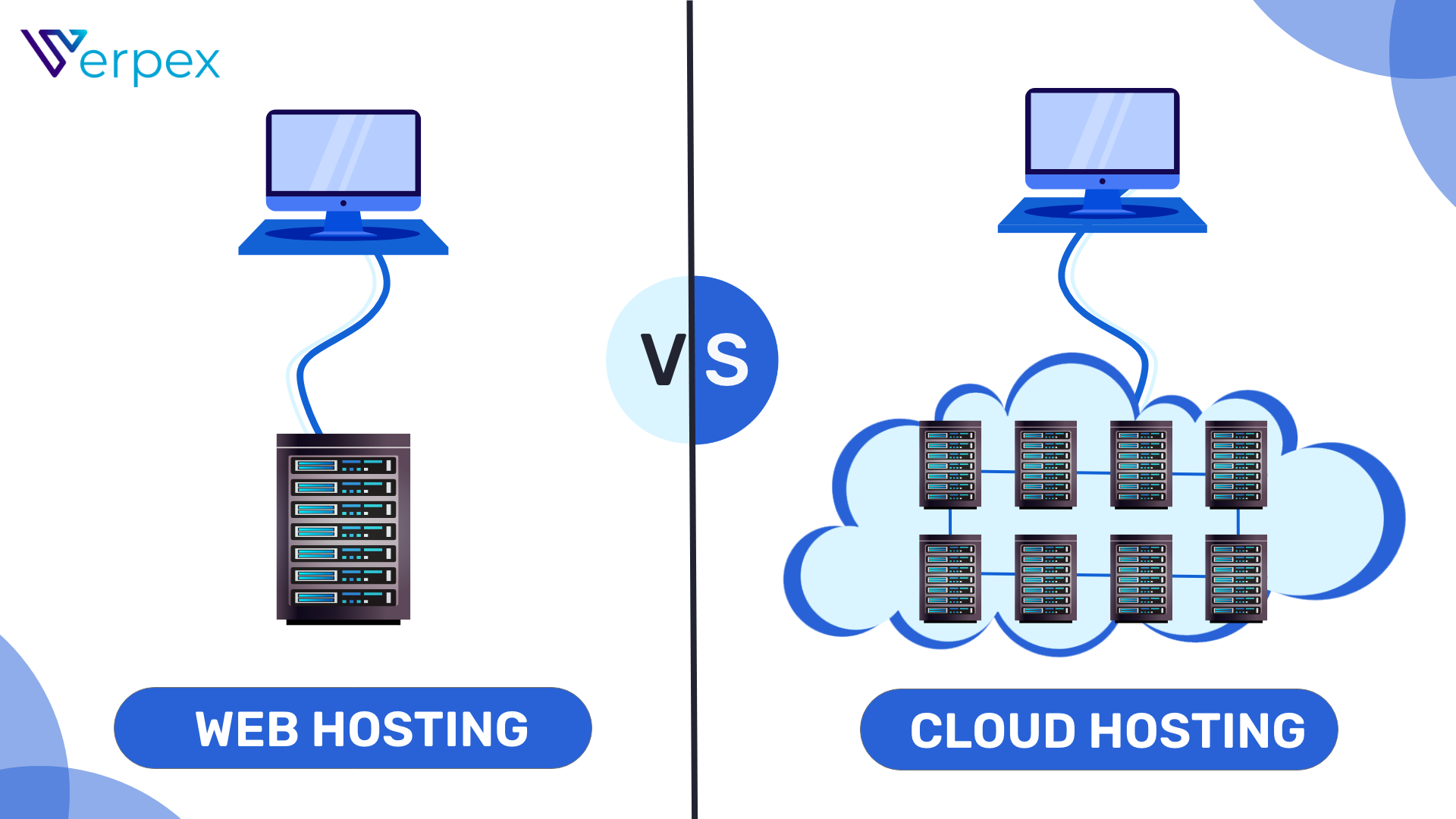
Cloud hosting involves multiple servers working together. Resources are scalable and available on-demand. Traditional hosting relies on a single server. It offers limited resources and scalability.
With cloud hosting, downtime is minimal. Servers share the load. Traditional hosting may face downtime if the server fails. It lacks redundancy.
Cloud hosting is cost-effective. You pay for what you use. Traditional hosting has a fixed cost. You pay regardless of usage.
Pros And Cons
Cloud Hosting Pros:
- Scalable resources
- Cost-effective
- High uptime and reliability
Cloud Hosting Cons:
- Dependence on internet connection
- Data security concerns
Traditional Hosting Pros:
- Dedicated resources
- Greater control over server
Traditional Hosting Cons:
- Limited scalability
- Higher costs for upgrades

Credit: www.hostgator.com
Future Trends In Cloud Hosting
The future of cloud hosting is dynamic and fast-evolving. Emerging technologies are setting new benchmarks. These advancements promise to transform the way we think about data storage and processing.
Ai And Automation
Artificial Intelligence (AI) and automation are major trends in cloud hosting. AI can predict server load and manage resources efficiently. This reduces downtime and enhances performance. Automation takes care of routine tasks. It frees up time for more strategic work.
Here are some key benefits of AI and automation:
- Improved resource management
- Reduced operational costs
- Enhanced security and compliance
AI can also analyze data to provide insights. These insights help in better decision-making. Automation ensures that updates and patches are applied on time. This enhances the security of your cloud environment.
Edge Computing
Edge computing is another significant trend. It involves processing data closer to its source. This reduces latency and improves speed. Edge computing is crucial for applications that require real-time data processing. Examples include IoT devices and autonomous vehicles.
Benefits of edge computing include:
- Lower latency
- Improved reliability
- Enhanced user experience
Edge computing decentralizes data processing. This reduces the load on central servers. It also enhances security by limiting data exposure. As more devices connect to the internet, the importance of edge computing will grow.
| Future Trends | Benefits |
|---|---|
| AI and Automation |
|
| Edge Computing |
|
Both AI and edge computing are revolutionizing cloud hosting. They offer numerous advantages that make cloud services more efficient and secure.
Frequently Asked Questions
What Is Cloud Hosting?
Cloud hosting uses multiple servers to host websites, ensuring reliability and scalability. It distributes resources to maintain site performance and uptime.
How Does Cloud Hosting Work?
Cloud hosting works by distributing data across various servers. This ensures high availability and redundancy, minimizing downtime and improving performance.
What Are The Benefits Of Cloud Hosting?
Cloud hosting offers scalability, reliability, and cost-efficiency. It allows for easy resource scaling based on demand, enhancing site performance.
Is Cloud Hosting Secure?
Yes, cloud hosting is secure. Providers implement advanced security measures, including encryption and regular updates, to protect data and maintain privacy.
Conclusion
Cloud hosting offers flexibility, scalability, and reliability. It suits businesses of all sizes. Cost efficiency makes it an attractive option. Users can access resources on demand. This means no more hardware worries. Cloud hosting ensures better data security. It also provides easier backup solutions.
Overall, it’s a smart choice for modern needs. Embrace cloud hosting to stay competitive. It’s the future of web hosting.


