
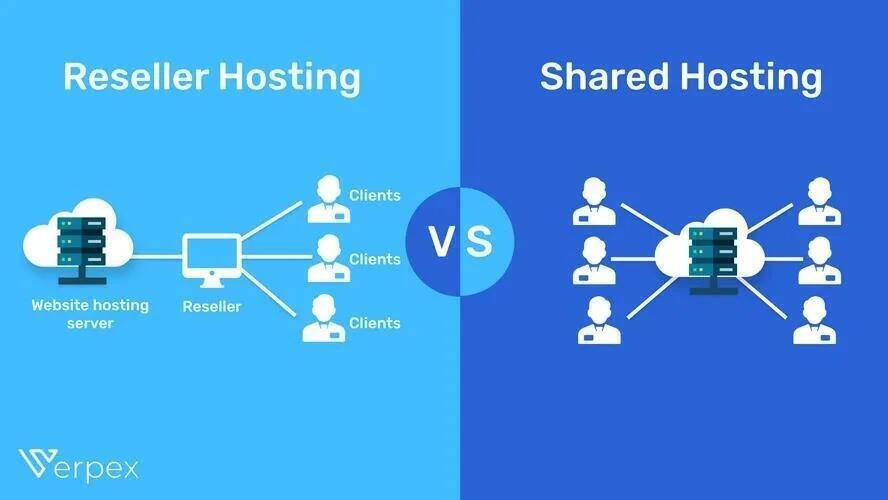
A reseller hosting service lets you rent server space and resell it to your clients. Think of it as renting a big property and subletting smaller units to others.
This way, you can start your own hosting business without huge investments. Reseller hosting is perfect for entrepreneurs, web designers, and developers. It allows you to create your own brand, set your own prices, and offer hosting packages. You don’t need to manage server infrastructure or deal with hardware issues.
The hosting provider handles these technical aspects. Your focus remains on managing your clients and growing your business. Whether you’re aiming to expand your services or enter the hosting market, reseller hosting offers a flexible and cost-effective solution.
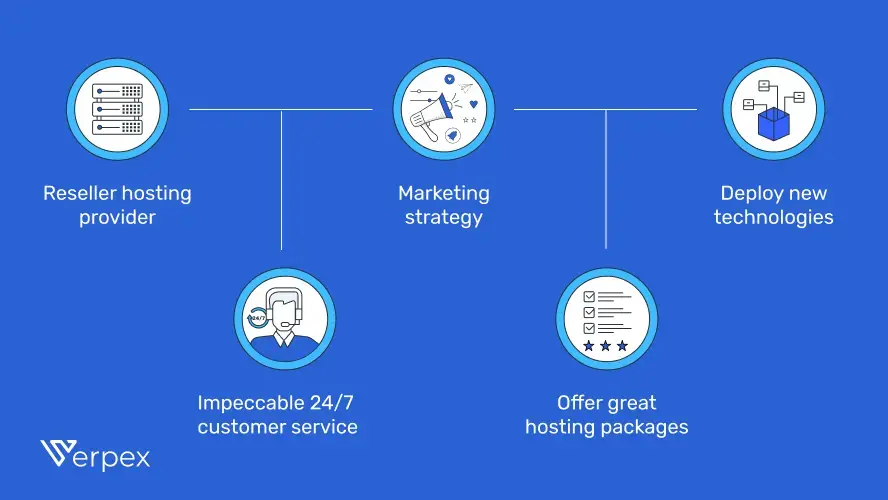
Credit: verpex.com
Introduction To Reseller Hosting
Reseller hosting allows individuals or businesses to sell web hosting services. This service is beneficial for those who want to start their own hosting company without investing in infrastructure.
Reseller hosting works by purchasing a large hosting plan from a provider. The reseller then splits this plan into smaller packages. These smaller packages are sold to customers under the reseller’s brand name. This model offers flexibility and potential for profit.
Basics Of Reseller Hosting
Reseller hosting involves three main components:
- Hosting Provider: The main company that owns the servers and infrastructure.
- Reseller: The individual or business that buys hosting services in bulk and sells them in smaller packages.
- End Users: The customers who purchase hosting services from the reseller.
Resellers receive a control panel to manage their clients’ accounts. This control panel allows them to create, manage, and delete hosting accounts. Reseller hosting plans often include features like:
- White-label branding
- Customizable packages
- Billing software
- Technical support
Benefits For Entrepreneurs
Reseller hosting offers several advantages for entrepreneurs:
- Low Initial Investment: Entrepreneurs do not need to invest in expensive servers and infrastructure.
- Scalability: Start small and expand as your business grows.
- Branding Opportunities: Sell hosting services under your own brand name.
- Recurring Income: Earn a steady income from monthly or yearly subscriptions.
- Support from Hosting Provider: Providers offer technical support, allowing resellers to focus on marketing and sales.
Reseller hosting is an excellent option for web designers, developers, or agencies. It adds value to their existing services. It can also be a standalone business opportunity.
How Reseller Hosting Works
Reseller hosting is a type of web hosting service. It allows individuals or companies to sell web hosting services to others. But how does reseller hosting actually work? Let’s dive into the details.
Reseller Hosting Vs. Traditional Hosting
Reseller hosting differs from traditional hosting. In traditional hosting, you buy space directly from a hosting provider. You use this space to host your own website.
In reseller hosting, you buy a large amount of hosting space. You then divide this space into smaller chunks. These smaller chunks are sold to other users. You act as a middleman between the main hosting provider and your customers.
Key Features Of Reseller Hosting
Reseller hosting comes with several key features. One of the main features is the ability to create multiple accounts. Each account can have its own control panel.
Another feature is white-label branding. This means you can brand the hosting service as your own. Your customers won’t know you are reselling hosting space.
Billing and management tools are also included. These tools help you manage your customers and their accounts. They also assist in billing and payment processing.
Overall, reseller hosting provides flexibility and control. It allows you to run your own hosting business without owning a data center.
Choosing The Right Reseller Hosting Plan
Reseller hosting service allows you to rent server space and resell it to your clients. It’s ideal for web designers and developers who want to offer hosting services. Choosing the right plan ensures you meet your clients’ needs without overspending.
Selecting the right reseller hosting plan can be challenging. There are many factors to think about. This guide will help you make an informed choice.Factors To Consider
First, consider the cost of the plan. It should fit your budget. Look at the features included. You need enough disk space and bandwidth. Check if the plan offers free SSL certificates. Security is crucial for your clients. Evaluate the customer support. Is it available 24/7? Good support can solve issues quickly. Next, look at the control panel. It should be user-friendly. A good control panel makes management easier. Think about scalability. Your business will grow. The plan should grow with you. Finally, check the uptime guarantee. High uptime ensures your sites are always available.Top Providers In The Market
Several companies offer good reseller hosting plans. HostGator is a popular choice. They offer flexible plans with good support. InMotion Hosting is also well-regarded. They provide reliable services and excellent customer support. A2 Hosting is known for its speed. They offer fast and secure hosting solutions. SiteGround is another top provider. They are known for their strong security features. Each provider has its strengths. Compare their features. Choose the one that best fits your needs. Remember, the right plan will help your business succeed. “`
Credit: www.ewebguru.com
Setting Up Your Reseller Hosting Business
Starting a reseller hosting business can be a profitable venture. It allows you to sell hosting services to others while you manage the backend. Follow these steps to set up your reseller hosting business efficiently.
Initial Steps
Begin with thorough research. Understand your target market and their needs. Choose a reputable hosting provider. This ensures reliable services for your clients.
Create a business plan. Outline your goals, budget, and marketing strategy. A clear plan guides your actions and helps measure success.
Register your business. This gives it a legal identity and builds trust with customers. Consider a unique, memorable name for your brand.
Configuring Your Hosting Packages
Define your hosting packages. Offer different plans to cater to various needs. For example:
| Plan Name | Storage | Bandwidth | Price |
|---|---|---|---|
| Basic | 10GB | 100GB | $5/month |
| Standard | 50GB | 500GB | $10/month |
| Premium | Unlimited | Unlimited | $20/month |
Ensure your pricing is competitive. Analyze what other resellers charge. Offer better value to attract customers.
Set up your control panel. Use tools like cPanel or Plesk. These make managing your clients’ accounts easier.
Provide excellent customer support. Offer 24/7 support through various channels. Happy customers are more likely to stay and recommend your services.
Marketing Your Reseller Hosting Services
Marketing your reseller hosting services requires a clear strategy. You must identify your target audience and use effective marketing strategies to reach them. It’s crucial to understand who your customers are and how best to communicate with them. This ensures your services stand out in a competitive market.
Target Audience
Identifying your target audience is the first step. Think about who will benefit most from your reseller hosting services.
- Small businesses: They often need affordable web hosting solutions.
- Freelancers: Web designers and developers might need hosting for their clients.
- Startups: New ventures looking for cost-effective hosting options.
Understanding your audience helps tailor your marketing messages. This makes them more relevant and engaging.
Effective Marketing Strategies
Once you know your audience, you need to market your services effectively. Here are some strategies:
- Content Marketing: Create blog posts, tutorials, and guides about hosting.
- Social Media: Use platforms like Facebook, Twitter, and LinkedIn to reach potential clients.
- Email Marketing: Send newsletters and special offers to your subscribers.
- SEO: Optimize your website for search engines to attract organic traffic.
- Paid Advertising: Use Google Ads or Facebook Ads to reach a wider audience.
Each of these strategies can help increase your visibility. This brings more potential clients to your services.
Managing Customer Relationships
Effective management of customer relationships is key to a successful reseller hosting service. Customers expect timely support, clear communication, and reliable services. Building trust with your customers can lead to long-term business relationships. Let’s explore some best practices for managing customer relationships.
Customer Support Best Practices
Provide 24/7 support to address customer concerns at any time. Use various support channels like live chat, email, and phone. Be polite and professional in all interactions. Respond promptly to customer inquiries. Keep customers informed about service updates and changes.
Handling Common Issues
Identify recurring issues and create a knowledge base for quick solutions. Educate customers on basic troubleshooting steps. Address billing issues with transparency and fairness. Ensure timely resolution of technical problems. Regularly review customer feedback to improve services.
Scaling Your Reseller Hosting Business
Scaling your reseller hosting business can seem complex. But with the right strategies, it becomes manageable. Growth means more customers and higher revenue. Let’s explore how to expand and automate your reseller hosting business.
Expanding Your Offerings
Expand your services to attract more customers. Offer a variety of hosting packages. Provide tailored solutions for different needs. Include options like shared, VPS, and dedicated hosting. This makes your services more appealing.
Consider adding value-added services. Offer domain registration and SSL certificates. Provide website design and maintenance packages. These additional services can increase your revenue. They also help in building a strong customer base.
Automating Processes
Automate processes to save time and reduce errors. Use billing software to manage invoices. This ensures timely payments and reduces manual work. Implement automated backups for client data. This protects data and builds trust.
Set up automated customer support. Use chatbots to handle common queries. This improves response times and customer satisfaction. Automate server management tasks. This ensures smooth operation and reduces downtime.
Automation allows you to focus on growth. It frees up time for strategic planning. It also helps in managing a larger customer base efficiently.

Credit: www.hostgator.com
Maximizing Profits With Reseller Hosting
Reseller hosting offers a great opportunity to earn money by selling hosting services. This type of hosting allows you to purchase a large amount of server space and resell it to clients. By using various strategies, you can maximize your profits and grow your business.
Pricing Strategies
Setting the right prices is crucial for maximizing profits in reseller hosting. Consider these strategies:
- Competitive Pricing: Research what competitors are charging. Set your prices slightly lower to attract clients.
- Value-Based Pricing: Charge based on the value you provide. Offer additional services like backups or security to justify higher prices.
- Tiered Pricing: Offer multiple packages. Provide basic, standard, and premium options to cater to different needs and budgets.
Upselling And Cross-selling Techniques
Upselling and cross-selling can significantly boost your revenue. Here are some effective techniques:
- Upselling: Encourage clients to choose higher-tier packages. Highlight the benefits of more storage, bandwidth, or additional features.
- Cross-selling: Offer related services. Suggest domain registration, SSL certificates, or email hosting to complement their hosting package.
- Bundling Services: Create bundles that include multiple services at a discounted rate. This makes your offer more attractive and increases sales.
Using these strategies, you can enhance your profitability with reseller hosting. Focus on delivering value to your clients while optimizing your pricing and sales techniques.
Future Trends In Reseller Hosting
The reseller hosting industry is evolving rapidly. Staying updated with future trends is crucial for success. New technologies and market shifts will shape the landscape. Let’s explore the key trends.
Emerging Technologies
Emerging technologies are transforming reseller hosting. Cloud computing is a significant trend. It offers scalability, flexibility, and cost-efficiency. Resellers can provide better services with cloud infrastructure.
AI and machine learning are also making an impact. These technologies help in automating tasks. They improve customer support through chatbots and predictive analytics.
Enhanced security measures are another focus. With rising cyber threats, advanced security protocols are essential. Resellers must offer robust security features to attract customers.
Market Predictions
The reseller hosting market is expected to grow. Here are some key predictions:
- Increased demand for cloud-based services: More businesses are moving online. They need reliable hosting solutions.
- Focus on niche markets: Resellers will target specific industries. This helps in providing specialized services.
- Rise of managed services: Customers prefer hassle-free hosting. Managed services will gain popularity.
- Eco-friendly hosting solutions: Sustainability is a growing concern. Green hosting options will attract eco-conscious clients.
A table summarizing these predictions:
| Trend | Impact |
|---|---|
| Cloud-based services | Higher demand |
| Niche markets | Specialized services |
| Managed services | Popular choice |
| Eco-friendly solutions | Attracts green clients |
Understanding these trends is vital. Resellers must adapt to stay competitive. Future-proofing your business ensures long-term success.
Frequently Asked Questions
What Is A Reseller Hosting?
Reseller hosting allows you to sell web hosting services to others. You purchase hosting resources and allocate them to your clients.
What Is A Reseller Service?
A reseller service allows businesses to sell third-party products or services under their brand. They purchase in bulk and resell for profit.
What Does A Hosting Service Do?
A hosting service stores your website’s files on a server, making them accessible online. It ensures site performance and security.
Who Uses Reseller Hosting?
Small businesses, web developers, and entrepreneurs use reseller hosting. They aim to offer web hosting services to clients.
Conclusion
Reseller hosting offers a great way to start a hosting business. It provides control, flexibility, and potential for profit. Easy to set up, it suits beginners and experts. You can manage multiple clients under one account. This service can grow with your business needs.
Choosing the right hosting provider is key. Look for reliable support and good features. Reseller hosting can help you build a steady income. It’s a smart choice for anyone wanting to enter the hosting market. Start small and scale up as you gain clients.
Reseller hosting makes it possible.


