
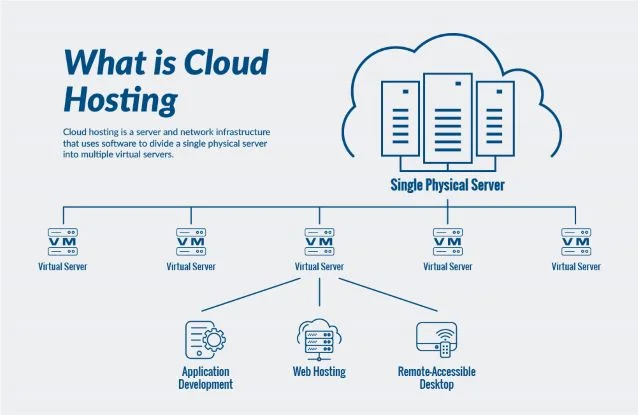
Cloud hosting is a type of web hosting. It uses multiple servers to balance the load and maximize uptime.
In the digital age, businesses need reliable and scalable hosting solutions. Cloud hosting offers a modern approach to meet these needs. Unlike traditional hosting, cloud hosting spreads your data across many servers. This reduces the risk of downtime and ensures your website runs smoothly.
It’s flexible, allowing you to scale resources up or down based on your needs. Whether you run a small blog or a large e-commerce site, cloud hosting can provide the performance and reliability you need. Understanding cloud hosting can help you make better decisions for your online presence. Let’s dive deeper into what cloud hosting is and why it might be the right choice for you.
Introduction To Cloud Hosting
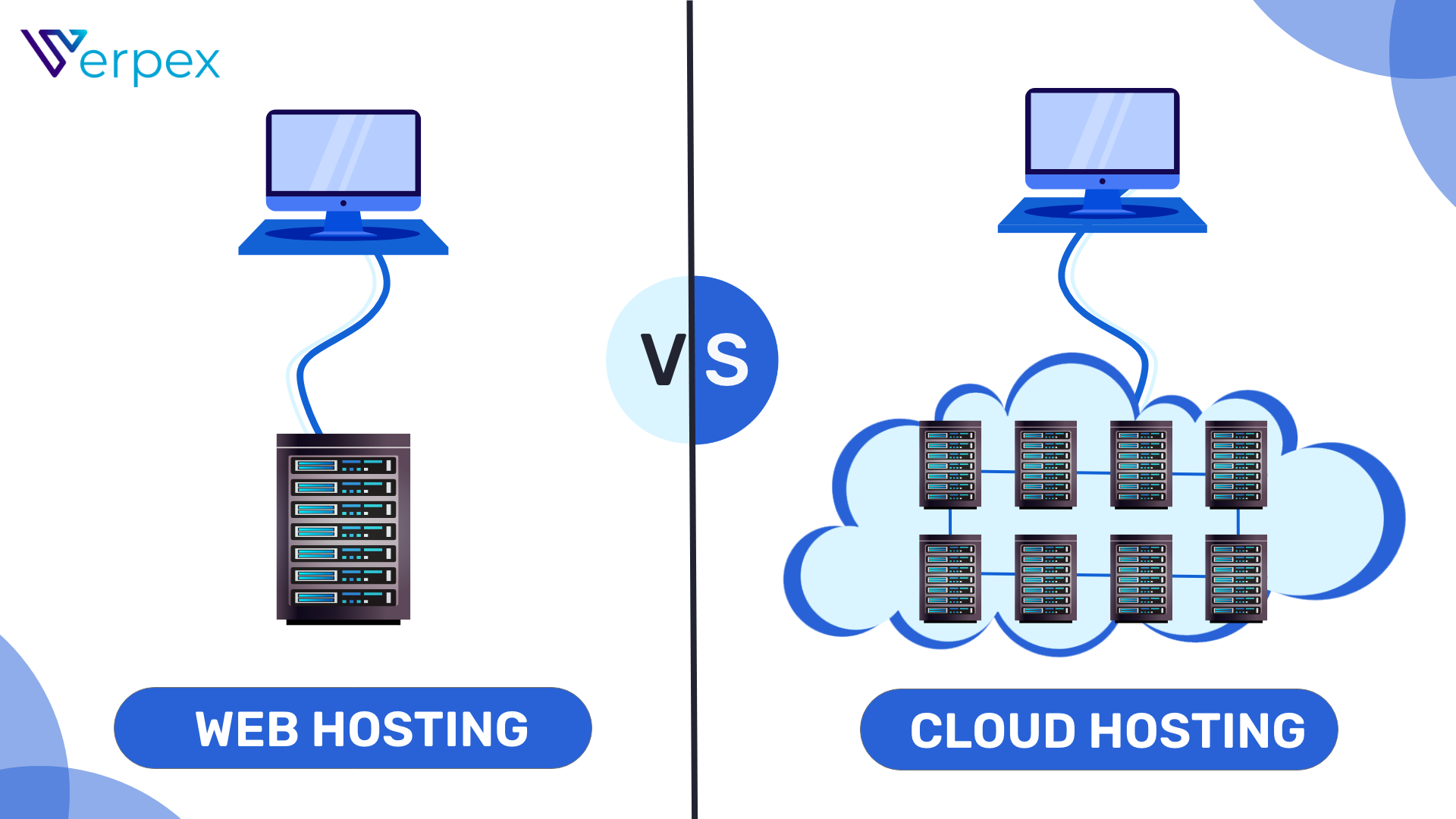
Cloud Hosting is a type of web hosting that uses multiple servers to balance the load and maximize uptime. Unlike traditional hosting, which relies on a single server, Cloud Hosting uses a network of servers to provide a more reliable and scalable solution.
This modern approach to hosting offers many benefits. These include improved performance, flexibility, and security. Let’s dive deeper into what Cloud Hosting is and its history.
Definition Of Cloud Hosting
Cloud Hosting is a service where your website is hosted on a network of servers. These servers work together to ensure your site stays online. This setup provides better reliability and performance compared to a single server.
In Cloud Hosting, resources are distributed across multiple servers. This means if one server fails, others can take over. This helps in minimizing downtime and keeping your site running smoothly.
Some key features of Cloud Hosting include:
- Scalability: Easily handle traffic spikes by adding resources.
- Reliability: Multiple servers ensure better uptime.
- Flexibility: Customize your hosting environment as needed.
- Cost-efficiency: Pay only for the resources you use.
Brief History Of Cloud Hosting
The concept of Cloud Hosting has evolved over time. Initially, websites were hosted on single physical servers. This posed many challenges such as limited resources and high downtime risks.
In the early 2000s, the idea of using multiple servers came into play. This approach helped in balancing loads and reducing downtime. Companies started to explore ways to make hosting more efficient and reliable.
Amazon Web Services (AWS) launched in 2006. It played a crucial role in popularizing Cloud Hosting. AWS offered scalable and reliable hosting solutions that changed the web hosting landscape.
Today, many providers offer Cloud Hosting services. This has made it accessible to businesses of all sizes. Cloud Hosting is now a preferred choice for its many benefits.

Credit: www.hostgator.com
How Cloud Hosting Works
Understanding how cloud hosting works is essential for anyone interested in modern web solutions. Cloud hosting uses multiple servers to balance the load and maximize uptime. This setup is different from traditional hosting, where your website relies on a single server. Let’s dive into the core aspects of cloud hosting:
Server Distribution
In cloud hosting, your website’s data is spread across several physical servers. This is known as server distribution. Instead of relying on one server, many servers work together. This setup ensures your website is always available.
If one server fails, another server takes over. This process minimizes downtime. The distributed nature of cloud hosting also enhances performance. Data requests are processed quickly. Users experience faster load times and a smoother browsing experience.
Resource Allocation
Cloud hosting provides flexible resource allocation. Resources like CPU, RAM, and storage are allocated dynamically. This means your website can easily handle traffic spikes. If your site experiences a surge in visitors, the cloud can allocate more resources to manage it.
Unlike traditional hosting, you don’t need to upgrade your plan manually. The cloud system adjusts resources as needed. This ensures your website remains stable and responsive. You only pay for what you use. This makes cloud hosting a cost-effective solution for many businesses.
| Feature | Cloud Hosting | Traditional Hosting |
|---|---|---|
| Server Distribution | Multiple Servers | Single Server |
| Resource Allocation | Dynamic | Fixed |
| Scalability | Highly Scalable | Limited |
Benefits Of Cloud Hosting
Cloud hosting offers many advantages for businesses of all sizes. It is a modern solution that meets the demands of today’s digital world. Let’s explore the key benefits of cloud hosting.
Scalability
With cloud hosting, scaling resources is easy. Businesses can add or reduce resources based on their needs. This flexibility helps manage traffic spikes and growth efficiently. You only use what you need.
Cost Efficiency
Cloud hosting can be more cost-effective than traditional hosting. You pay for what you use. There are no upfront costs for hardware. This model helps manage budgets better. It reduces the need for expensive in-house servers.
Reliability
Cloud hosting provides high reliability. Data is stored across multiple servers. This setup ensures that if one server fails, another takes over. It minimizes downtime. It guarantees continuous availability of services.
Types Of Cloud Hosting
Cloud hosting offers various options to meet different needs and preferences. Understanding the types of cloud hosting helps in choosing the best solution for your business. Here, we explore three main types: Public Cloud, Private Cloud, and Hybrid Cloud.
Public Cloud
The Public Cloud is a popular choice for many businesses. It involves using shared resources provided by a third-party service provider. This type is cost-effective and easy to scale. You pay for what you use, making it a flexible option.
- Shared resources and infrastructure
- Cost-effective
- Highly scalable
- Ideal for small to medium-sized businesses
Private Cloud
The Private Cloud is a dedicated environment for a single organization. It offers greater control and security. This type is suitable for businesses with strict security and compliance needs.
- Dedicated resources and infrastructure
- Enhanced security and control
- Customizable to specific business needs
- Ideal for large enterprises and organizations with sensitive data
Hybrid Cloud
The Hybrid Cloud combines both public and private cloud elements. It offers the best of both worlds. This type allows businesses to manage workloads across both environments, optimizing performance and cost.
- Combination of public and private clouds
- Flexible and scalable
- Optimizes performance and cost
- Ideal for businesses with varying workload needs
| Type | Key Features | Ideal For |
|---|---|---|
| Public Cloud | Shared resources, cost-effective, highly scalable | Small to medium-sized businesses |
| Private Cloud | Dedicated resources, enhanced security, customizable | Large enterprises, sensitive data |
| Hybrid Cloud | Combination of public and private clouds, flexible | Businesses with varying workload needs |
Comparing Cloud Hosting With Traditional Hosting
Understanding the differences between cloud hosting and traditional hosting helps in making an informed decision. Each type has its own advantages and disadvantages. The best choice depends on your specific needs and priorities. Let’s break down the key differences.
Performance Differences
Cloud hosting offers better scalability and flexibility. Resources can be easily scaled up or down. This adaptability ensures optimal performance based on current needs. Traditional hosting, such as shared or dedicated hosting, often struggles with high traffic spikes. This can lead to slower load times and potential downtime.
Cloud hosting utilizes multiple servers, which helps in better load balancing. If one server fails, another takes over, ensuring minimal downtime. On the other hand, traditional hosting relies on a single server. If that server experiences issues, it can result in significant downtime.
Cost Comparison
Cost is a major factor when choosing a hosting solution. Cloud hosting usually follows a pay-as-you-go model. You pay only for the resources you use. This can be cost-effective for small to medium businesses. Traditional hosting often involves a fixed monthly or annual fee. This fee remains the same regardless of resource usage.
| Hosting Type | Pricing Model | Scalability |
|---|---|---|
| Cloud Hosting | Pay-as-you-go | Highly scalable |
| Traditional Hosting | Fixed fee | Limited scalability |
Cloud hosting often includes additional costs for premium support, data storage, and bandwidth. Traditional hosting might offer these features as part of the fixed fee. Evaluate these aspects to determine the total cost of ownership.
- Cloud Hosting: Flexible pricing, scalable, potential extra costs
- Traditional Hosting: Fixed pricing, less scalable, all-inclusive features
Credit: verpex.com
Security In Cloud Hosting
Cloud hosting offers many advantages, but security is a top concern. Users need assurance that their data is safe. Cloud hosting providers invest heavily in security measures to protect data.
Data Protection
Cloud hosting providers use advanced encryption to protect data. Data is encrypted both in transit and at rest. This ensures unauthorized users cannot access sensitive information. Firewalls and intrusion detection systems add extra layers of security. Regular security audits help identify and fix vulnerabilities.
Compliance Standards
Cloud hosting providers adhere to strict compliance standards. These standards ensure data is handled securely. Providers often meet requirements like GDPR, HIPAA, and PCI DSS. Compliance helps build trust with customers. It also reduces the risk of legal issues.
Choosing A Cloud Hosting Provider
Choosing a cloud hosting provider can feel overwhelming. There are many options. But knowing what to look for helps. It ensures you select the best fit. This section guides you through the essentials. Let’s dive into the key features and popular providers.
Key Features To Look For
When selecting a cloud hosting provider, prioritize reliability. Check their uptime guarantees. A good provider offers at least 99.9% uptime. Next, consider scalability. Your needs may grow. Ensure the provider can scale resources quickly. Security is another crucial factor. Look for robust security measures. These include firewalls, encryption, and regular backups.
Also, examine customer support. 24/7 support can be a lifesaver. Make sure they offer multiple support channels. Finally, consider pricing. Look for transparent pricing models. Avoid hidden fees. Compare plans to find the best value for your money.
Popular Providers
Several cloud hosting providers stand out. Amazon Web Services (AWS) is a leader. They offer extensive features and flexibility. Google Cloud Platform (GCP) is another top choice. It provides strong integration with other Google services. Microsoft Azure is also popular. It is known for its enterprise-level offerings.
DigitalOcean is great for developers. They offer simple and scalable solutions. Another notable mention is Vultr. They provide high-performance cloud servers. Each provider has unique strengths. Review their features and pricing. This helps you make an informed decision.
Future Trends In Cloud Hosting
Cloud hosting is evolving rapidly, and the future holds exciting possibilities. With the advent of new technologies, the market is poised for significant growth. This section delves into the future trends in cloud hosting, focusing on emerging technologies and market growth predictions.
Emerging Technologies
Several emerging technologies are set to shape the future of cloud hosting:
- Artificial Intelligence (AI): AI will automate tasks, improve efficiency, and enhance security in cloud hosting environments.
- Edge Computing: By processing data closer to the source, edge computing will reduce latency and improve performance.
- Quantum Computing: This technology promises to revolutionize data processing and storage capabilities.
- Serverless Architecture: It allows developers to build and run applications without managing servers, offering scalability and cost-efficiency.
These technologies will redefine cloud hosting, making it more efficient and reliable.
Market Growth Predictions
The cloud hosting market is expected to grow significantly in the coming years. Several factors contribute to this growth:
- Increased Adoption: More businesses are migrating to the cloud for its scalability and cost-effectiveness.
- Rising Data Volume: The exponential growth of data drives the need for robust cloud hosting solutions.
- Security Enhancements: Improved security measures make cloud hosting more appealing to businesses.
According to market research, the global cloud hosting market size is projected to reach $XX billion by 20XX, growing at a compound annual growth rate (CAGR) of XX%.
These trends underscore the importance of cloud hosting in the digital age, offering businesses the tools they need to thrive.
Credit: verpex.com
Frequently Asked Questions
What Is Meant By Cloud Hosting?
Cloud hosting uses a network of virtual servers to host websites or applications. It offers scalability, flexibility, and reliability.
What Is The Difference Between Cloud Hosting And Normal Hosting?
Cloud hosting uses multiple servers to balance load and maximize uptime. Normal hosting relies on a single server.
When Should I Use Cloud Hosting?
Use cloud hosting for scalable resources, high traffic websites, and when you need reliability. It’s ideal for businesses requiring flexibility, enhanced security, and better performance.
Is Google Cloud Hosting Free?
Google Cloud offers a free tier with limited resources. You can access certain services for free, within specific usage limits.
Conclusion
Cloud hosting offers flexibility, scalability, and reliability for your website needs. It provides better performance and uptime compared to traditional hosting. With cloud hosting, resources adjust to your site’s traffic. This ensures smooth user experiences. It’s cost-effective because you only pay for what you use.
Security is also a key benefit, protecting your data. Cloud hosting is a smart choice for modern websites. Consider it to enhance your online presence.


