

Uptime in web hosting refers to the amount of time a website is accessible online. It is usually expressed as a percentage.
Understanding uptime is crucial for anyone with a website. If your site goes down often, it can hurt your business and frustrate visitors. A high uptime means your website is reliable and always available to users. Most web hosting services strive for 99.
9% uptime. Why is this important? Because even a small amount of downtime can lead to lost revenue and trust. In this blog post, we will explore what uptime means, why it matters, and how to choose a hosting provider with excellent uptime. This knowledge will help you keep your website running smoothly and your visitors happy.

Credit: www.bitcatcha.com
Introduction To Uptime
Understanding uptime is crucial in web hosting. It determines how reliable your website is for visitors. A website with high uptime ensures users can access it anytime.
Defining Uptime
Uptime refers to the time a web hosting server stays operational. It is usually expressed as a percentage. For example, 99% uptime means the server is up 99% of the time. This metric indicates how often a website is available for users.
Importance In Web Hosting
High uptime is essential for any website. It ensures visitors can always access your site. Frequent downtime can frustrate users and drive them away. This can lead to loss of traffic and revenue. Reliable uptime builds trust with your audience. They know they can depend on your site. It also impacts your site’s search engine ranking. Search engines favor websites with consistent uptime. This can improve your visibility online.

Credit: www.linkedin.com
Measuring Uptime
Understanding and measuring uptime is crucial in web hosting. It tells you how often your website is available to users. A high uptime means your site is reliable. Let’s dive into the specifics of measuring uptime.
Uptime Percentage
Uptime percentage is a key metric. It shows the total time your website is up and running. A higher percentage means better performance. For example, 99.9% uptime means your site is down for just 0.1% of the time.
Here is a simple table to help you understand the downtime for different uptime percentages:
| Uptime Percentage | Downtime per Year |
|---|---|
| 99% | 87.6 hours |
| 99.5% | 43.8 hours |
| 99.9% | 8.76 hours |
| 99.99% | 52.56 minutes |
| 99.999% | 5.26 minutes |
Common Metrics
Several metrics help measure uptime. Here are the most common ones:
- MTBF (Mean Time Between Failures): Average time between failures.
- MTTR (Mean Time to Repair): Average time to fix issues.
- RPO (Recovery Point Objective): Maximum data loss time acceptable.
- RTO (Recovery Time Objective): Time to restore after a failure.
These metrics provide a detailed view of your site’s reliability. They help you understand how well your web hosting performs.
Factors Affecting Uptime
Understanding uptime is crucial for any website. Uptime refers to the time your website is available and running smoothly. Various factors influence uptime. Each factor plays a role in ensuring your website stays online.
Server Reliability
Server reliability is a major factor. A reliable server ensures your website remains available. If servers fail often, your site could go down. This impacts your users and business. Reliable servers have better hardware and software. They also have proper maintenance and regular updates.
| Component | Impact on Uptime |
|---|---|
| Hardware | Better hardware means fewer failures. |
| Software | Updated software prevents crashes. |
| Maintenance | Regular checks ensure smooth operation. |
Network Stability
Network stability is essential for uptime. A stable network keeps your site online. Unstable networks can cause outages. This frustrates users and harms your business. To ensure stability, check your hosting provider’s network infrastructure. Good providers invest in top-quality infrastructure. They also monitor networks 24/7.
- Quality infrastructure prevents outages.
- Continuous monitoring detects issues early.
- Redundant systems offer backup solutions.
Both server reliability and network stability are vital for uptime. Ensure your hosting provider excels in these areas.
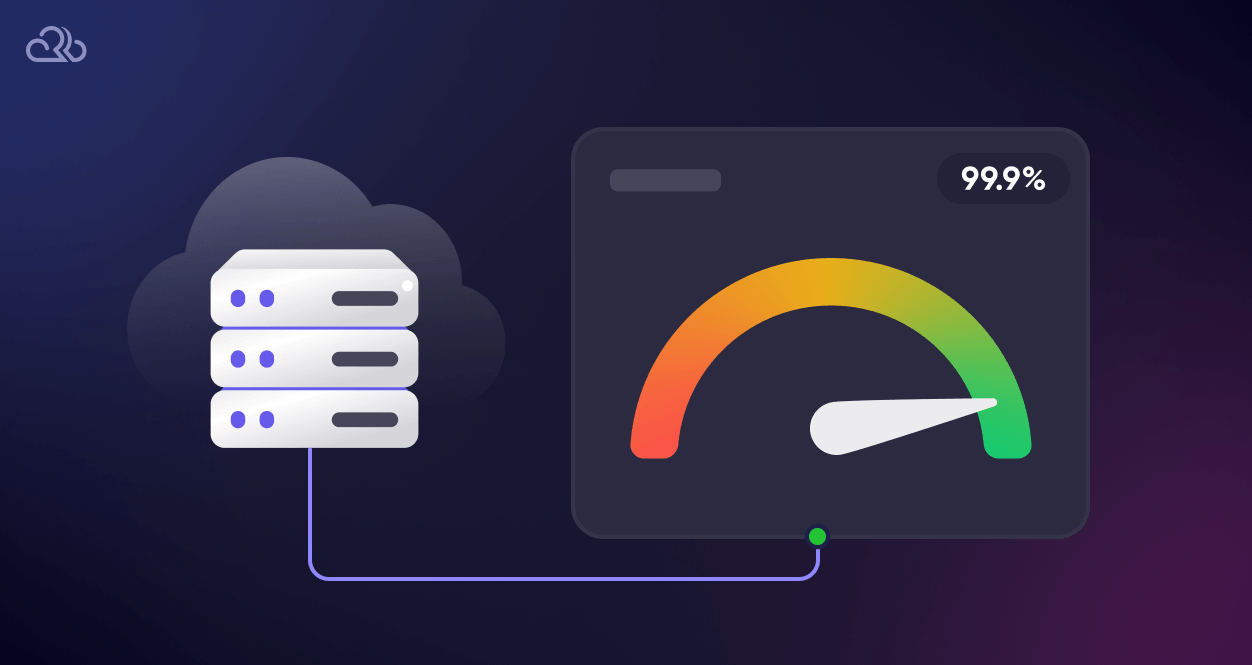
Credit: rapyd.cloud
Uptime Monitoring Tools
Uptime is crucial in web hosting. It shows how often your website is online. Uptime monitoring tools help track this. They ensure your site stays live and accessible. These tools alert you if your site goes down. This helps you fix issues fast. Let’s explore some popular uptime monitoring tools and how they work.
Popular Tools
Many tools track uptime. Some popular ones are Pingdom, UptimeRobot, and Site24x7. Each offers unique features. They suit different needs and budgets. Pingdom is known for its ease of use. UptimeRobot is popular for its free plan. Site24x7 offers detailed monitoring options.
How They Work
These tools work by sending requests to your website. If the site responds, it is online. If not, the tool sends an alert. Alerts can come via email, SMS, or app notifications. This helps you stay informed in real-time.
Some tools offer detailed reports. These reports show uptime percentages over time. They also highlight any downtime. This data helps you improve your website’s reliability. Regular monitoring ensures your site stays accessible to users.
Choosing A Web Host
Choosing a web host is a crucial decision for your website’s success. The right web host ensures your site is always accessible and performs well. One key factor to consider is uptime.
Uptime Guarantees
Uptime guarantees are promises made by web hosts about the time your site will be online. Most hosts aim for 99.9% uptime. This means your site will be down for less than an hour each month. A higher uptime percentage means better reliability for your site.
Evaluating Promises
Evaluating uptime promises requires careful consideration. Look for web hosts with a proven track record. Read reviews and check user feedback. Ensure they have strong infrastructure and reliable backup systems. Verify if their uptime guarantee includes compensation for downtime. This shows they are confident in their service.
Improving Uptime
Improving uptime is crucial for any website. High uptime ensures your site remains accessible to users. It helps build trust and retain visitors. Below, we discuss best practices and regular maintenance to enhance uptime.
Best Practices
Implementing best practices boosts your website’s uptime. Use reliable web hosting services. They offer better infrastructure and support. Choose a host with a proven track record.
Monitor your website’s performance consistently. Detect issues early and address them quickly. Use tools that provide real-time alerts. These tools help you act before users notice downtime.
Optimize your website’s code and resources. Reduce load times and server strain. Compress images and use caching techniques. These steps minimize the risk of downtime.
Regular Maintenance
Regular maintenance keeps your website running smoothly. Schedule routine updates for software and plugins. Outdated software can cause security vulnerabilities and downtime.
Conduct regular backups of your website. Backups ensure you can restore your site quickly if issues arise. Store backups in a secure location away from your server.
Perform security checks frequently. Scan for malware and other threats. Fix any vulnerabilities immediately. A secure website is less likely to experience downtime.
Test your website’s functionality regularly. Check for broken links and errors. Fixing these issues enhances user experience and stability.
Handling Downtime
Handling downtime is crucial for maintaining a reliable web hosting service. Downtime can impact user experience and business reputation. Let’s explore some effective strategies for handling downtime.
Quick Response
Responding quickly to downtime incidents is essential. Monitor your website continuously. Use tools that alert you instantly when your site goes down. Act immediately to diagnose the issue. This helps minimize the downtime duration. Always have a plan ready for such situations. Ensure your support team is well-trained to handle emergencies.
Preventive Measures
Prevention is better than cure. Regularly maintain your server and software. Keep everything updated to avoid vulnerabilities. Use reliable and secure hosting services. Conduct periodic backups to safeguard data. Implement load balancing to distribute traffic evenly. This reduces the risk of server overload. Regularly test your website for potential issues. Ensure you address them before they cause downtime. These measures help maintain high uptime and enhance user experience.
Case Studies
Understanding uptime in web hosting is crucial. Real-life examples offer valuable insights. Case studies show how uptime impacts businesses. Let’s explore some success stories and lessons learned.
Success Stories
Many companies benefit from high uptime. Here are a few examples:
| Company | Industry | Uptime | Impact |
|---|---|---|---|
| XYZ Corp | eCommerce | 99.99% | Increased sales by 20% |
| ABC Ltd | Finance | 100% | Zero downtime in 2 years |
| LMN Inc | Healthcare | 99.95% | Improved patient data access |
These companies show that reliable uptime is key. It boosts sales, trust, and efficiency.
Lessons Learned
Not all stories are about success. Some companies faced challenges:
- ABC eStore had 95% uptime. This led to lost sales and unhappy customers.
- HealthTech Solutions experienced frequent downtimes. This affected patient care.
These cases highlight the importance of uptime. Without it, businesses face losses and negative impacts.
Focus on uptime to ensure smooth operations. Learn from others’ experiences for better outcomes.
Frequently Asked Questions
What Is Uptime For Hosting?
Uptime for hosting refers to the percentage of time a web hosting server remains operational. High uptime ensures your website stays accessible.
What Does 99.9% Uptime Mean?
99. 9% uptime means your website will be available and operational 99. 9% of the time, totaling about 8. 76 hours of downtime yearly.
What Is Uptime In A Website?
Uptime in a website refers to the amount of time a website is operational and accessible to users. High uptime is crucial for user experience and SEO rankings.
What Should My Uptime Be?
Your uptime should be at least 99. 9% for optimal performance. This ensures minimal downtime and better user experience.
Conclusion
Uptime is crucial for your website’s success. It ensures your site stays online. High uptime means better user experience. It builds trust with your visitors. Reliable hosting providers offer high uptime guarantees. Always check their uptime performance. Invest in good hosting to avoid downtime.
Remember, uptime affects your site’s credibility. Choose wisely and keep your site running smoothly. Your website deserves the best uptime.


