
A Cloud VPS Hosting is a service that provides virtual private server resources in a cloud environment. It combines the benefits of both VPS and cloud hosting, offering flexibility and scalability.
In today’s digital world, websites need reliable hosting solutions. Traditional hosting may not always meet these needs. Cloud VPS Hosting stands out as a powerful alternative. It offers the independence of a dedicated server but within a cloud. This means better performance, scalability, and cost-efficiency.
Businesses of all sizes can benefit from it. With Cloud VPS Hosting, you get dedicated resources, improved security, and easy scalability. It’s a smart choice for those wanting the best of both worlds. In this post, we’ll explore what Cloud VPS Hosting is and why it might be the perfect solution for you.
Introduction To Cloud Vps Hosting
Cloud VPS hosting offers a blend of shared and dedicated hosting. It provides the flexibility and power of a dedicated server without the high cost. This makes it a popular choice for businesses of all sizes.
What Is Cloud Vps?
Cloud VPS stands for Virtual Private Server. It operates within a cloud environment. Unlike traditional VPS, Cloud VPS is part of a larger network. This network is made up of multiple servers. If one server fails, another takes over. This ensures better uptime and reliability.
Each Cloud VPS has its own dedicated resources. These include CPU, RAM, and storage. Users can customize their server environment. This makes it suitable for various applications.
Here are some key features of Cloud VPS:
- Scalability
- Cost-effectiveness
- Customizability
Importance Of Server Control
Server control is crucial for businesses. Cloud VPS offers significant control over server settings. Users can install and configure software as needed. This level of control is similar to that of a dedicated server.
With Cloud VPS, you can:
- Manage server resources efficiently.
- Install custom applications.
- Configure security settings.
Server control also aids in performance optimization. Users can tweak settings to suit their needs. This ensures the best performance for their applications.
In summary, Cloud VPS provides a powerful, flexible, and reliable hosting solution. It combines the benefits of both shared and dedicated hosting. This makes it an ideal choice for many businesses.
Benefits Of Cloud Vps Hosting
Cloud VPS Hosting offers many advantages for businesses and individuals. It combines the power of dedicated hosting with the flexibility of cloud technology. This makes it an ideal choice for many.
Scalability
With Cloud VPS Hosting, you can easily adjust resources. If your traffic increases, add more CPU, RAM, or storage. This ensures your website always runs smoothly. You only use what you need. This flexibility keeps your costs low and your site fast.
Cost Efficiency
Traditional hosting plans often have fixed costs. Cloud VPS Hosting charges based on usage. This means you pay for what you use. No more, no less. Small businesses and startups find this especially beneficial. They can save money while still having reliable hosting.
How Cloud Vps Works
Understanding How Cloud VPS Works is essential for anyone interested in web hosting. Cloud VPS, or Virtual Private Server, combines the power of cloud computing with the isolation of VPS. This ensures flexibility and scalability for your website or application.
Virtualization Technology
Virtualization technology is the backbone of Cloud VPS. It involves creating a virtual version of a physical server. This process allows multiple virtual servers to run on a single physical machine. Each virtual server acts independently, with its own operating system and resources.
Popular virtualization technologies include KVM, VMware, and Hyper-V. These tools create isolated environments, ensuring that activities on one virtual server do not affect others. This isolation improves security and performance.
Resource Allocation
Resource allocation is another key aspect of Cloud VPS. Resources like CPU, RAM, and storage are distributed among virtual servers. This allocation is dynamic, adapting to the needs of each server. If one server requires more resources, the system can allocate them in real-time.
Let’s break down resource allocation:
- CPU: The central processing unit handles all tasks and operations.
- RAM: Random access memory supports multitasking and improves speed.
- Storage: Solid-state drives or hard disk drives store your data.
This flexibility ensures optimal performance and minimizes downtime. If traffic spikes, resources can be adjusted quickly. This is especially useful for growing businesses with varying demands.
| Resource | Function |
|---|---|
| CPU | Handles computations and processes |
| RAM | Supports multitasking and speeds up operations |
| Storage | Stores data and applications |
Understanding these components helps in choosing the right hosting solution. Cloud VPS offers the benefits of both cloud and VPS hosting, providing reliability and flexibility.

Credit: www.hostgator.com
Key Features Of Cloud Vps
Cloud VPS Hosting offers a range of powerful features that make it a popular choice for businesses and developers. Understanding these key features can help you decide if Cloud VPS is the right fit for your needs.
High Performance
With Cloud VPS Hosting, you get high performance due to dedicated resources. Each VPS has its own CPU, RAM, and storage.
- Dedicated CPU cores ensure fast processing.
- Ample RAM allows for smooth operation of applications.
- SSD storage provides quick read/write speeds.
This means your website or application runs smoothly without lag.
Reliability
Reliability is crucial for any online service. Cloud VPS Hosting ensures high reliability through redundancy and failover mechanisms.
- Data is stored across multiple servers to prevent loss.
- Automatic failover keeps your service online during hardware failures.
- Regular backups ensure data safety and quick recovery.
This enhances uptime and ensures your service remains accessible.
| Feature | Benefit |
|---|---|
| High Performance | Fast processing and smooth operations |
| Reliability | Reduced downtime and data safety |
Comparing Cloud Vps With Traditional Vps
In the world of web hosting, choosing between Cloud VPS and Traditional VPS can be challenging. Each has its own set of advantages and drawbacks. Understanding the differences between them helps in making an informed decision. Below, we compare the two based on performance and cost.
Performance Differences
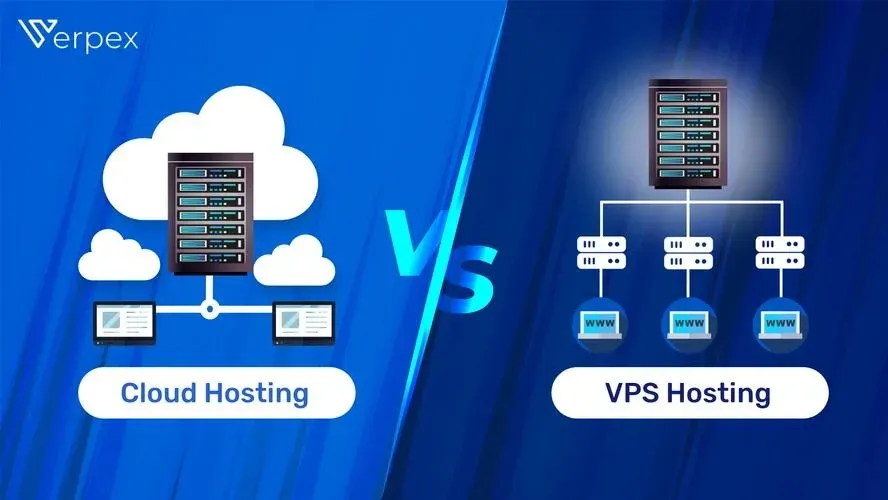
Cloud VPS hosting distributes resources across multiple servers. This ensures high availability and reliability. If one server fails, another takes over. This setup offers better uptime and resilience.
On the other hand, a Traditional VPS runs on a single physical server. It divides resources among various virtual machines. Performance can suffer if one VM uses too many resources. You may experience downtime if the physical server crashes.
Cost Comparison
The cost structure of Cloud VPS and Traditional VPS varies. Cloud VPS uses a pay-as-you-go model. This means you pay only for the resources you use. It is flexible and can scale based on your needs.
Traditional VPS usually has a fixed cost. This cost is based on the plan you select. You pay a set amount regardless of resource usage. It can be less expensive for small, stable workloads.
Here is a quick comparison:
| Aspect | Cloud VPS | Traditional VPS |
|---|---|---|
| Performance | High availability, scalable | Single point of failure, less scalable |
| Cost | Pay-as-you-go | Fixed cost |
Understanding these differences helps in choosing the best hosting solution for your needs.
Credit: verpex.com
Choosing The Right Cloud Vps Provider
Choosing the right Cloud VPS provider can be challenging. There are many options available, each with different features and prices. You need to consider a few key factors to make an informed decision. This section will help you understand what to look for in a Cloud VPS provider.
Key Considerations
First, think about your budget. Some providers offer low-cost plans, while others are more expensive. Make sure the provider fits within your budget.
Next, consider the performance. Look for a provider that offers fast servers and high uptime. You want your website to be available 24/7.
Security is another important factor. Check if the provider offers features like firewalls, DDoS protection, and regular backups. These features help keep your data safe.
Customer support is crucial. Choose a provider with 24/7 support. This ensures you can get help whenever you need it.
Finally, look at the scalability. Your needs may grow over time. A good provider should offer easy upgrades to higher plans.
Top Providers
Several providers stand out in the market. DigitalOcean is known for its performance and reliability. They offer a range of plans to suit different needs.
Vultr is another popular choice. They provide high-performance servers and have data centers around the world. This ensures low latency for your users.
Linode is a favorite among developers. They offer great customer support and competitive pricing. Their servers are also highly reliable.
Amazon Lightsail is a good option for those already using AWS. It integrates well with other AWS services and offers a simple setup process.
Lastly, consider Google Cloud Platform. They offer robust infrastructure and excellent performance. They also provide advanced security features.
Setting Up Cloud Vps
Setting up a Cloud VPS is essential for your online projects. It provides control, flexibility, and scalability. This guide will help you with the initial setup and security measures.
Initial Configuration
After purchasing your Cloud VPS, you need to log in to your control panel. Start by setting up your hostname and domain name. Then, choose the operating system. Common options are Linux distributions like Ubuntu or CentOS. Install the OS and reboot the server to apply changes.
Next, set up your server’s time zone and locale. This ensures accurate timestamps and proper language settings. Finally, create a new user with sudo privileges. Do not use the root account for daily tasks. This reduces the risk of accidental changes.
Security Measures
Securing your Cloud VPS is crucial. First, update your system packages. This ensures you have the latest security patches. Use the package manager for your OS, like apt for Ubuntu.
Next, set up a firewall. Tools like UFW (Uncomplicated Firewall) can help. Allow only necessary ports and block everything else. Configure SSH access to use a non-standard port. This reduces the risk of brute force attacks.
Disable root login over SSH. Instead, use your new user account. Set up SSH keys for authentication. This provides a secure way to access your server. Finally, install fail2ban. This tool blocks suspicious login attempts. It adds an extra layer of security to your Cloud VPS.
Optimizing Cloud Vps Performance
Optimizing Cloud VPS performance is essential for the success of your online projects. It ensures that your website or application runs smoothly. This leads to better user experiences and higher satisfaction. Here are some key practices for optimizing your Cloud VPS performance:
Monitoring Tools
Use monitoring tools to track your server’s performance. These tools help identify issues before they affect your users. They provide real-time data on CPU, memory, and disk usage. Popular tools include Nagios, Zabbix, and Datadog. Monitoring tools help you spot trends and prevent potential problems.
Regular Updates
Keep your server’s software up to date. Regular updates fix bugs and improve security. Outdated software can slow down your server and pose security risks. Update your operating system, web server, and other critical software. Schedule updates during low-traffic times to minimize disruptions. Regular updates help maintain optimal performance and security.
Common Use Cases For Cloud Vps
Cloud VPS hosting offers versatility and power. Many businesses and individuals use it for different purposes. Let’s explore some common use cases.
Web Hosting
Many websites rely on Cloud VPS hosting. It’s ideal for small to medium-sized sites. Cloud VPS ensures better performance and reliability. It handles traffic spikes efficiently. You can customize the server to meet your needs. This flexibility attracts many users. It’s a preferred choice for e-commerce sites.
Application Development
Developers often use Cloud VPS for application development. It provides a scalable environment. You can test and deploy apps easily. Cloud VPS supports various programming languages. It integrates well with development tools. This setup speeds up the development process. It allows for efficient resource management. You can focus on coding without worrying about server maintenance.
Credit: teleporthq.io
Future Of Cloud Vps Hosting
The future of Cloud VPS Hosting looks promising. With rapid technological progress, businesses are increasingly turning to cloud solutions. This shift is driven by the need for flexible, scalable, and cost-effective hosting options. Let’s explore the emerging trends and technological advancements shaping the future of Cloud VPS Hosting.
Emerging Trends
The landscape of Cloud VPS Hosting is evolving. Here are some key trends:
- Increased Automation: Automation tools are becoming vital. They help in managing servers efficiently.
- Hybrid Cloud Solutions: Businesses prefer a mix of private and public clouds. This offers more flexibility and control.
- Edge Computing: Processing data closer to the source reduces latency. It improves performance and speed.
- Security Enhancements: Enhanced security measures are crucial. They ensure data protection and compliance.
Technological Advancements
Technological advancements are driving the evolution of Cloud VPS Hosting. Some key advancements include:
| Technology | Impact |
|---|---|
| Containerization | Containers offer isolated environments. They improve efficiency and scalability. |
| AI and Machine Learning | AI optimizes resource allocation. Machine learning predicts and prevents failures. |
| 5G Connectivity | 5G offers faster speeds. It enhances cloud performance and reliability. |
| Serverless Computing | Serverless computing reduces overhead. It allows focus on application development. |
These advancements are pivotal. They shape the future of Cloud VPS Hosting and drive innovation.
Frequently Asked Questions
What Is Cloud Vps Hosting?
Cloud VPS hosting is a service using virtual private servers on cloud infrastructure. It offers scalability, flexibility, and cost-efficiency. It combines the benefits of VPS and cloud computing, ensuring high performance and reliability for websites and applications.
Why Would Someone Use A Vps?
A VPS offers better performance, security, and control compared to shared hosting. It suits growing websites and applications.
What Is The Difference Between Vps And Hosting?
VPS (Virtual Private Server) provides dedicated resources on a shared server. Hosting shares resources among multiple websites on one server.
Who Should Use Vps Hosting?
VPS hosting is ideal for businesses needing more control, better performance, and scalability. It’s perfect for growing websites, developers, and e-commerce sites.
Conclusion
Cloud VPS hosting offers flexibility and control for your website. It’s a cost-effective solution for growing businesses. You get dedicated resources, ensuring better performance. Scalability is easy, adapting to your needs. Security features protect your data. Technical support is available round the clock.
With Cloud VPS, you manage your server environment. Ideal for websites with varying traffic. A smart choice for modern web hosting needs. Start exploring Cloud VPS hosting today.


