
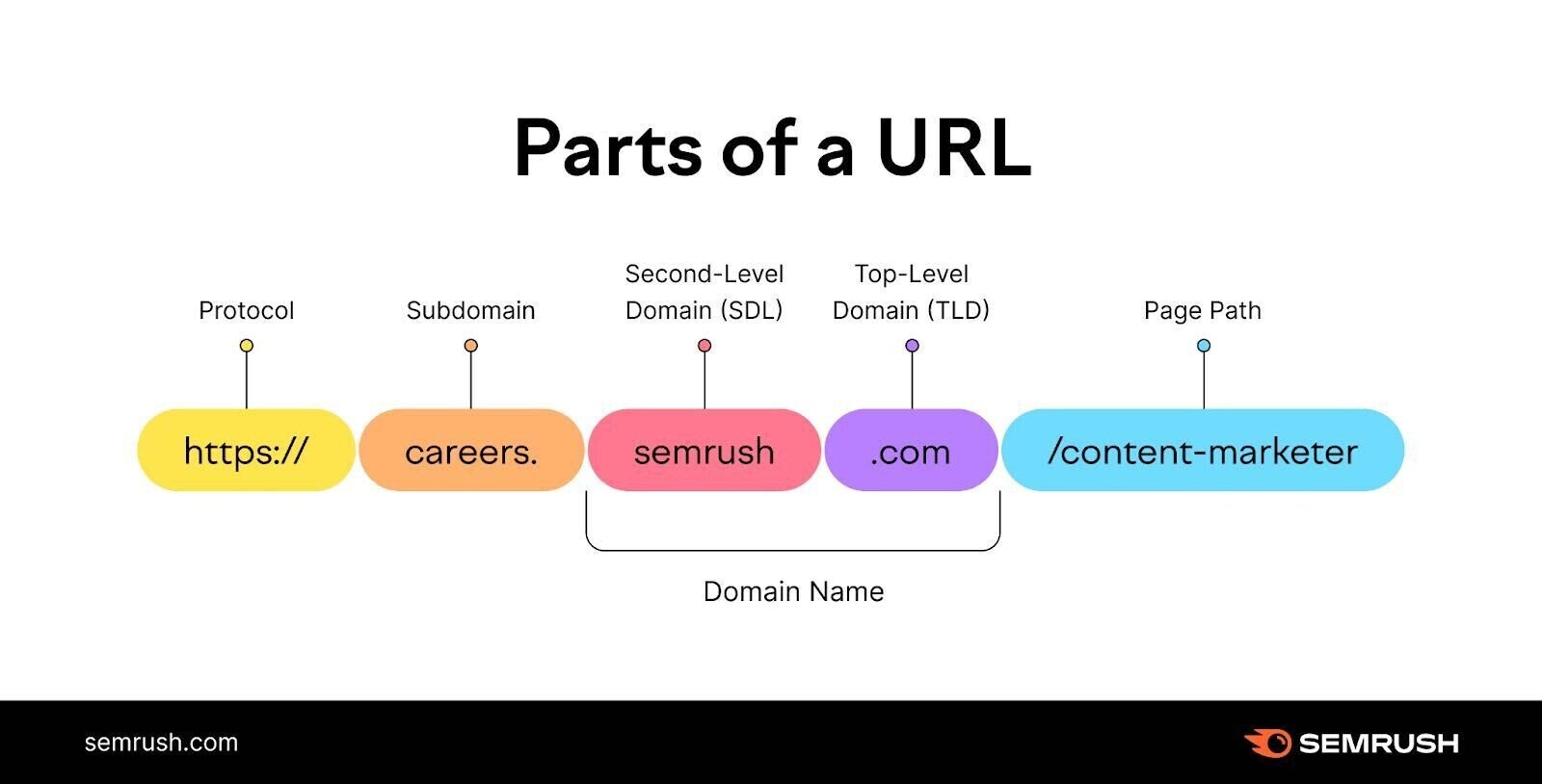
Top-Level Domains (TLDs) are crucial in the world of the internet. They help organize and simplify the web.
When you visit a website, you often see “. com” or “. org” at the end of the address. These endings are called Top-Level Domains, or TLDs. They play a key role in how websites are categorized and accessed. Understanding TLDs is important for anyone who uses the internet, especially if you own a website.
In this blog post, we will explore what TLDs are, why they matter, and how they impact your online experience. Get ready to dive into the basics of TLDs and discover their significance in the digital world.
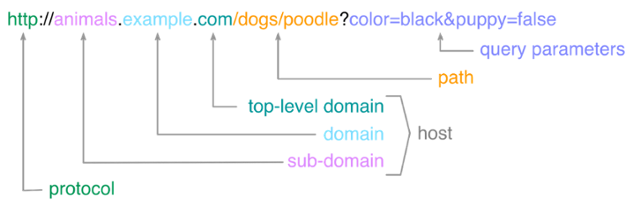
Credit: raventools.com
Introduction To Top-level Domains
Understanding the structure of the internet is important. One key part of this structure is Top-Level Domains (TLDs). These domains play a crucial role in the way we navigate the web. Let’s dive deeper into what TLDs are and why they matter.
Definition Of Tlds
A Top-Level Domain (TLD) is the last part of a domain name. For example, in ‘example.com’, ‘.com’ is the TLD. TLDs are also known as domain suffixes. They help organize the internet into different categories. There are many types of TLDs, including generic ones like ‘.com’ and ‘.net’. There are also country-specific TLDs like ‘.uk’ for the United Kingdom.
Importance Of Tlds In The Internet
TLDs are more than just the end of a web address. They help users identify the purpose or origin of a website. For example, ‘.edu’ is used for educational institutions. Country code TLDs help users know the website’s country. TLDs also play a role in search engine optimization (SEO). Search engines use TLDs to help determine a website’s relevance and authority. Choosing the right TLD can impact your website’s credibility and visibility.
History Of Top-level Domains
The history of Top-Level Domains (TLDs) is fascinating. It traces back to the early days of the internet. Understanding this history helps grasp how TLDs evolved.
Early Days Of The Internet
In the 1980s, the internet was just starting. There were few users and websites. The need for a structured system became clear.
Initially, the internet was a project of the U.S. Department of Defense. It was called ARPANET. It aimed to connect research institutions.
As the internet grew, so did the need for a more organized system. This led to the creation of the Domain Name System (DNS).
Creation Of Tlds
In 1984, the first TLDs were created. These included:
- .com – For commercial entities
- .org – For organizations
- .net – For network providers
- .edu – For educational institutions
- .gov – For government agencies
- .mil – For military use
These initial TLDs served different sectors. They made it easier to categorize websites.
In the following years, more TLDs were added. This included country-code TLDs (ccTLDs) like .uk for the United Kingdom and .jp for Japan.
The creation of TLDs was a milestone. It helped structure the growing internet. It made it easier for users to find and access information.
Types Of Top-level Domains
Top-Level Domains (TLDs) are the last part of a domain name. They appear after the dot. TLDs help in categorizing domain names on the internet. Different types of TLDs serve various purposes. They can be generic, country-specific, or sponsored.
Generic Tlds (gtlds)
Generic TLDs are the most common type. They include .com, .org, and .net. These domains are not tied to any country or location. Anyone can register them. They are suitable for various purposes. Businesses, organizations, and individuals use them widely.
Country Code Tlds (cctlds)
Country Code TLDs are specific to countries. Examples include .us for the United States and .uk for the United Kingdom. Each country manages its own ccTLD. They are useful for local businesses. People often trust them more for local services.
Sponsored Tlds (stlds)
Sponsored TLDs are restricted. They serve specific communities or organizations. Examples are .gov for government sites and .edu for educational institutions. Only eligible entities can register them. These domains ensure credibility and trust.
Popular Top-level Domains
Top-Level Domains (TLDs) are a crucial part of the internet’s structure. They are the last segment of a domain name, like .com or .org. Different TLDs serve different purposes and can impact your website’s credibility and visibility. Let’s explore some of the most popular TLDs and their uses.
.com
The .com domain is the most recognized and widely used TLD. It stands for “commercial” and is suitable for businesses, organizations, and personal websites. Because of its popularity, many .com domain names are already taken. This TLD is often seen as credible and professional.
.org
The .org domain is often used by non-profit organizations, charities, and communities. It stands for “organization” and signals trust and reliability. Many educational institutions and open-source projects also use .org. This TLD is ideal for those who want to build a sense of community or public service.
.net
The .net domain is short for “network.” Initially, it was intended for internet service providers and networking companies. Today, it is a versatile TLD used by various types of websites. While not as popular as .com, .net is still a credible and professional choice for many businesses and personal projects.
.edu
The .edu domain is reserved for educational institutions. Only accredited institutions like universities and colleges can register .edu domains. This TLD is a mark of credibility in the education sector. It helps students and educators find reliable educational resources.
Choosing The Right Tld
Choosing the right Top-Level Domain (TLD) is crucial for your website’s success. The TLD you select can affect your brand’s visibility and credibility. Below are essential factors to consider when choosing a TLD.
Factors To Consider
- Target Audience: Identify who your audience is. Use a TLD that resonates with them.
- Brand Relevance: Ensure the TLD matches your brand’s identity.
- Availability: Check if the desired domain name is available with your chosen TLD.
- Cost: Different TLDs have varying prices. Choose one that fits your budget.
- Trust and Credibility: Some TLDs are more trusted than others. Consider this for your brand.
Impact On Seo And Branding
The right TLD can significantly impact your website’s SEO and branding. Below are the key points to consider:
| Aspect | Impact |
|---|---|
| SEO: | Common TLDs like .com can enhance search engine rankings. |
| Branding: | A relevant TLD can strengthen your brand’s image. |
| Trust: | Trusted TLDs like .org can improve user trust and confidence. |
| Global Reach: | Generic TLDs like .net are suitable for a global audience. |
In summary, take into account these factors and impacts. Choose a TLD that aligns with your goals and audience.

Credit: www.bobology.com
Registering A Top-level Domain
Registering a Top-Level Domain (TLD) is a crucial step for creating your online presence. A TLD is the last part of a domain name, like .com, .org, or .net. It’s essential to choose the right TLD for your website to establish credibility and attract visitors.
Finding A Registrar
To register a TLD, you first need to find a domain registrar. A registrar is an organization that manages the reservation of internet domain names. Some popular registrars include:
- GoDaddy
- Namecheap
- Bluehost
- Google Domains
Compare prices, features, and customer support before choosing a registrar. Look for one that suits your needs and budget.
Domain Name Availability
Next, check if your desired domain name is available. Most registrars provide a search tool to check domain availability. Simply enter the domain name you want, and the tool will show if it’s taken or available.
If your preferred name is taken, consider these tips:
- Try different TLDs like .net, .org, or .info
- Use hyphens to separate words
- Add a relevant keyword
Registration Process
Once you’ve found an available domain name, follow these steps to register it:
- Add the domain to your cart.
- Select the registration period (1 year, 2 years, etc.).
- Provide your contact information.
- Choose any additional services like privacy protection.
- Complete the payment process.
After registration, you will receive a confirmation email. Your domain is now registered, and you can start building your website.
Managing And Renewing Tlds
Managing and renewing top-level domains (TLDs) is crucial for maintaining your online presence. A clear understanding of the renewal process, transferring domains, and protecting your domain helps you avoid losing your TLD. This section provides essential information on these aspects.
Renewal Process
Renewing your TLD ensures that your website remains active. Most registrars send reminders before the expiration date. Set up automatic renewals to avoid lapses. Here’s a simple guide on the renewal process:
- Log in to your domain registrar account.
- Navigate to the ‘Renewals’ or ‘Manage Domains’ section.
- Select the TLD you wish to renew.
- Choose the renewal period (usually 1-10 years).
- Complete the payment process.
Keep your payment details updated to ensure seamless renewals.
Transferring Domains
Transferring domains involves moving your TLD from one registrar to another. This can be due to better pricing or improved services. Follow these steps to transfer your domain:
- Unlock your domain at the current registrar.
- Get the authorization code (EPP code).
- Initiate the transfer at the new registrar.
- Enter the authorization code when prompted.
- Confirm the transfer request via email.
The process may take a few days. Ensure your contact information is up to date for smooth communication.
Protecting Your Domain
Protecting your domain is vital to prevent unauthorized access and domain hijacking. Implement these measures to safeguard your TLD:
- Enable domain privacy to hide your personal information.
- Use strong, unique passwords for your registrar account.
- Enable two-factor authentication (2FA) for added security.
- Lock your domain to prevent unauthorized transfers.
- Regularly monitor your domain status and contact details.
Taking these steps ensures that your domain remains secure and under your control.

Credit: constellix.com
Future Of Top-level Domains
The world of Top-Level Domains (TLDs) is evolving rapidly. Emerging trends and new TLDs are reshaping the digital landscape. The future holds exciting possibilities for businesses and individuals alike. Let’s explore these changes and what they mean for us.
Emerging Tlds
New TLDs are appearing as the internet grows. These TLDs offer more choices and better branding options. Here are some examples:
- .app – Perfect for mobile app developers.
- .shop – Ideal for online stores.
- .tech – Great for tech companies.
These TLDs help businesses stand out. They make web addresses more relevant and memorable. This trend will continue, creating more specific TLDs for different niches.
Trends And Predictions
The future of TLDs is shaped by several key trends. Here are some predictions:
- Increased Customization: More personalized TLDs will emerge. This will allow unique branding.
- Greater Security: New TLDs will focus on security features. This will help protect users from cyber threats.
- Global Reach: Multilingual TLDs will grow. This will cater to non-English speaking audiences.
These trends will make the internet more diverse and secure. They will also help businesses connect with a global audience. Staying updated with these changes will be crucial for online success.
| Trend | Impact |
|---|---|
| Increased Customization | Unique branding and better user recognition |
| Greater Security | Enhanced protection for users |
| Global Reach | Better engagement with diverse audiences |
Understanding these trends will help businesses stay ahead. The future of TLDs offers exciting opportunities for growth and innovation.
Common Misconceptions About Tlds
Many people misunderstand top-level domains (TLDs). These misconceptions can lead to poor decisions. Understanding TLDs is crucial for your website’s success. Let’s clear up some common myths.
Tlds And Website Ranking
Some believe that TLDs like .com rank better. This is not true. Search engines like Google focus on content quality. They do not favor one TLD over another. The key is to provide valuable content. Choose a TLD that fits your brand.
Tlds And Security
Another myth is that certain TLDs are more secure. Security depends on how you manage your website. Use strong passwords. Keep your software updated. Install security plugins. TLDs do not affect your site’s security. Focus on best practices to keep your site safe.
Frequently Asked Questions
What Is A Top-level Domain Tld?
A top-level domain (TLD) is the last part of a domain name, such as. com,. org, or. net. It helps classify websites.
What Does A Tld Do?
A TLD, or Top-Level Domain, identifies the highest level in the domain name system hierarchy. It appears after the last dot in a domain name. Examples include. com,. org, and. net. TLDs help organize and navigate the internet.
What Is A Top-level Domain Tld Dns Server?
A top-level domain (TLD) DNS server manages domain name resolution for TLDs, like. com,. org, and. net. It helps direct internet traffic by translating domain names into IP addresses.
What Is Tld Domain Ranking?
TLD domain ranking evaluates a website’s performance based on its Top-Level Domain. It impacts SEO and visibility in search results.
Conclusion
Understanding top-level domains (TLDs) is crucial for your online presence. They help define your website’s identity. Choosing the right TLD can impact your site’s success. Make sure to pick a TLD that fits your brand. This decision can affect trust and visibility.
Research and select wisely to enhance your website’s effectiveness. With the right TLD, your site can reach the right audience. Stay informed and make choices that benefit your online goals.


