
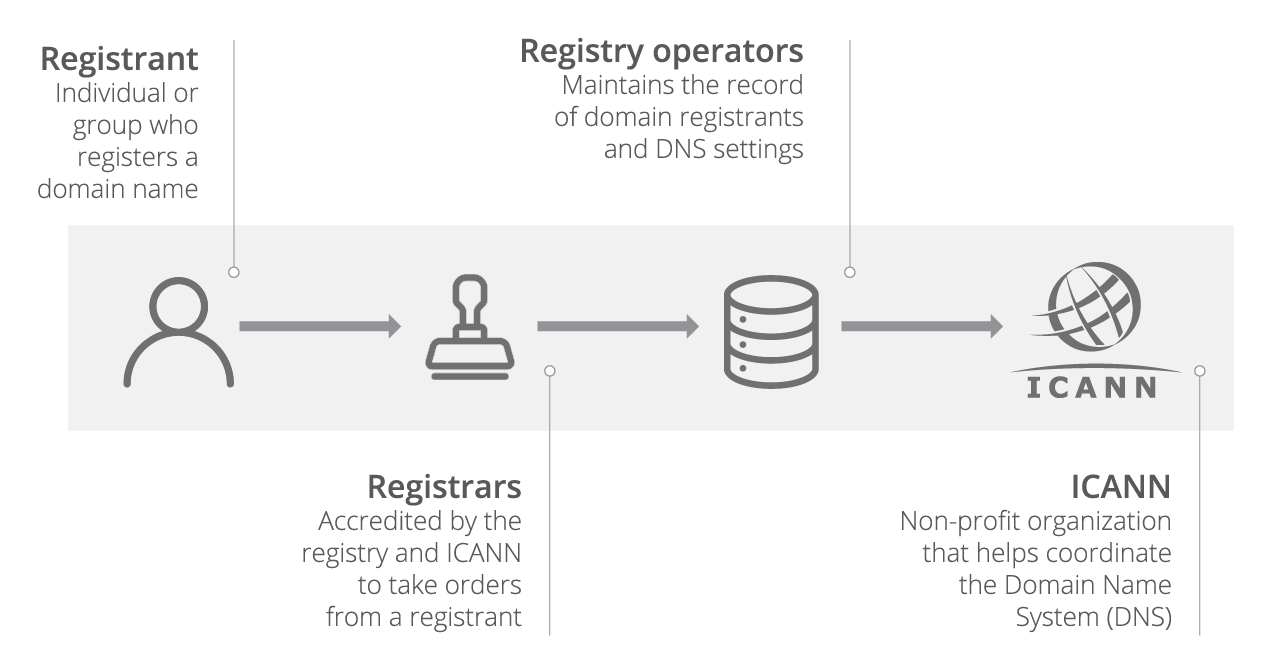
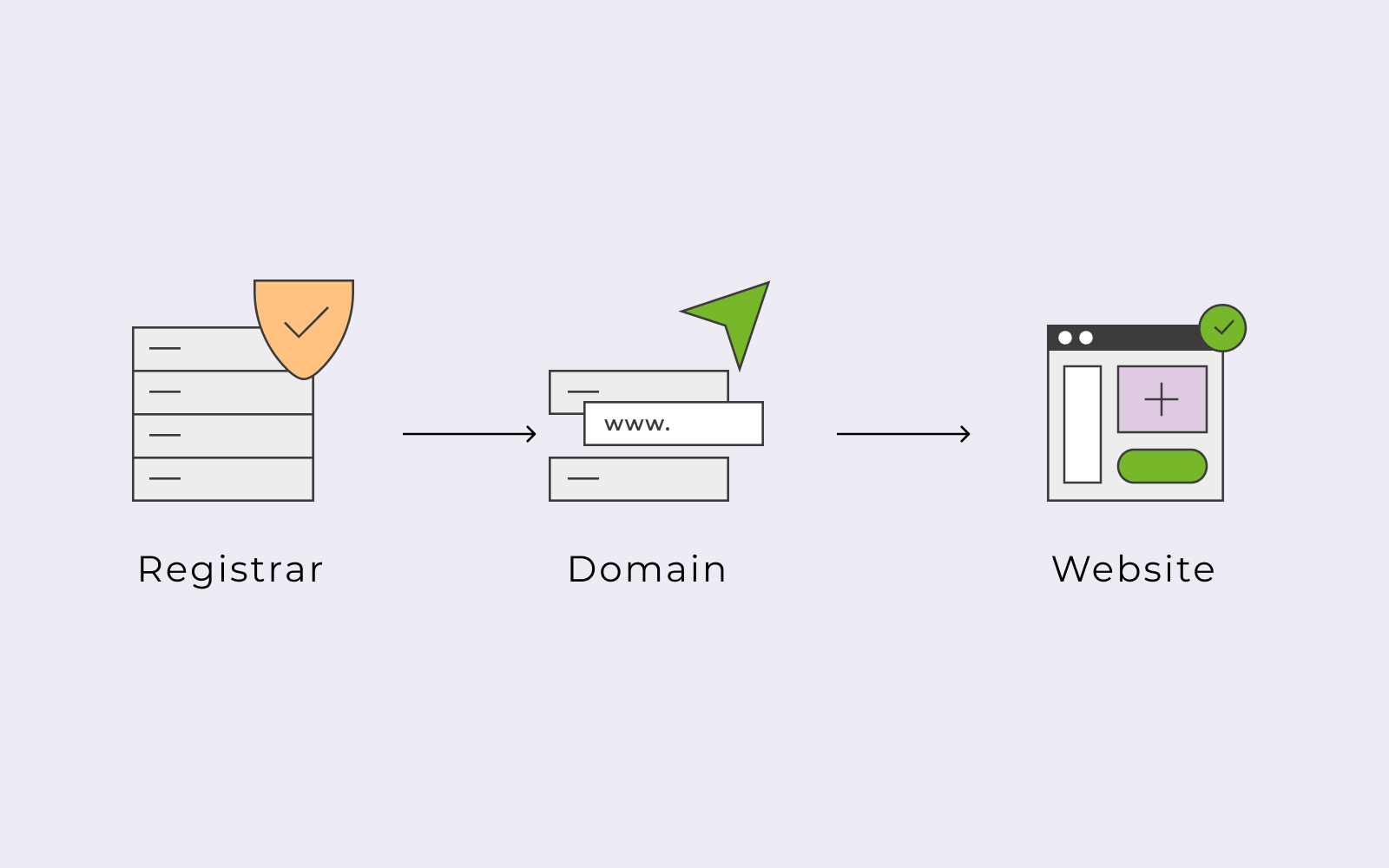
A domain name registrar is a company that manages domain name reservations. They ensure your website’s address is unique and accessible.
Every website needs a domain name. This is where domain name registrars come in. They help you register and manage your web address. Without them, finding your website online would be impossible. Imagine trying to visit a site without a clear address – chaos! Understanding what a domain name registrar does is essential for any website owner.
It simplifies the process of getting your site online. Plus, it ensures your chosen name is yours alone. Let’s dive into the world of domain name registrars and see why they matter.
Introduction To Domain Name Registrars
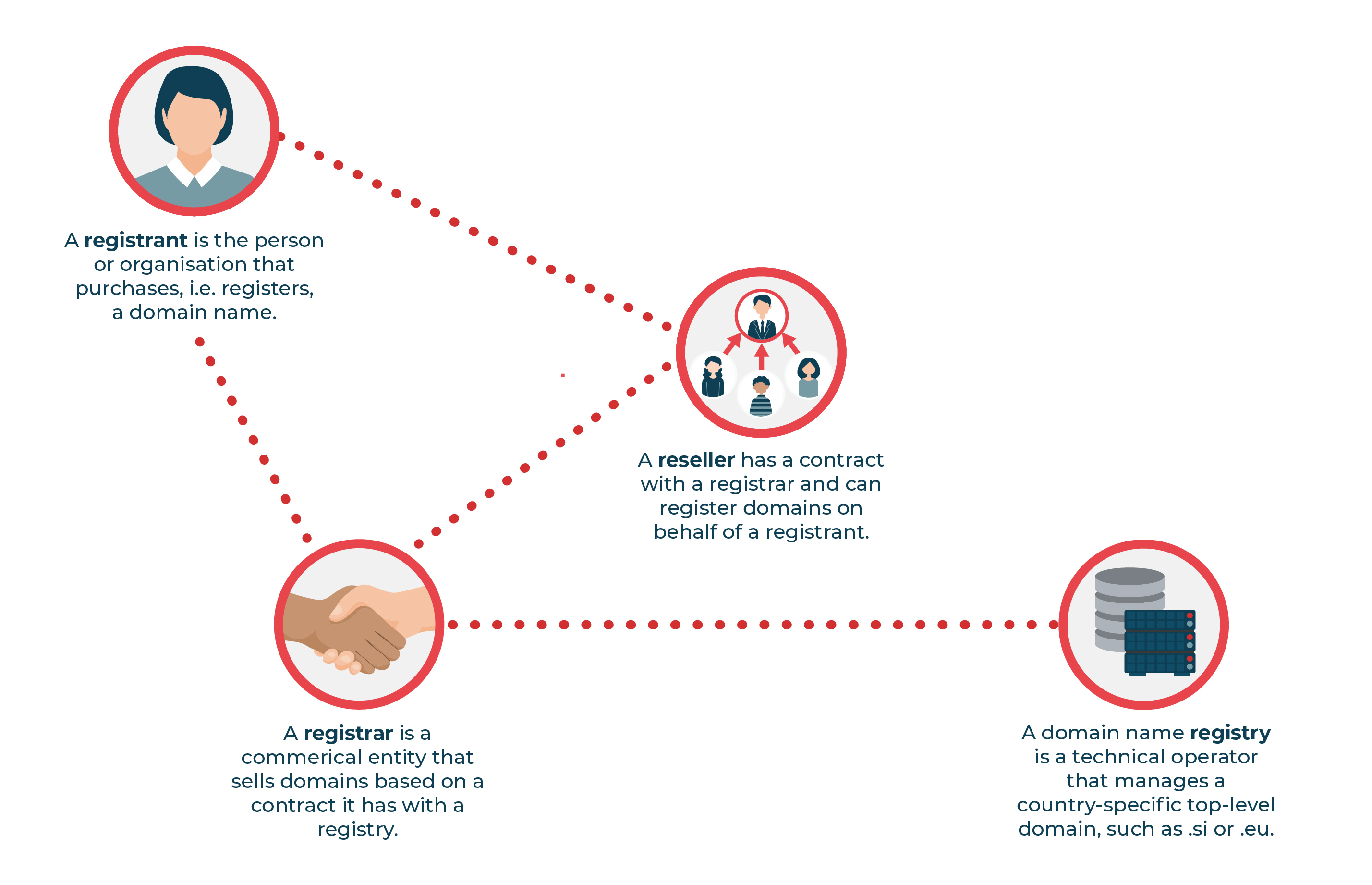
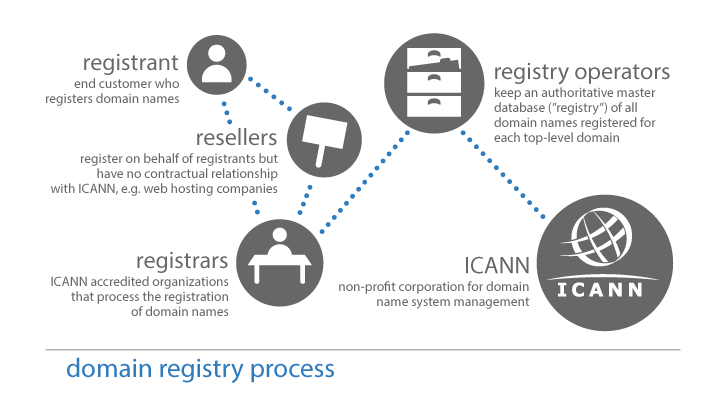
A domain name registrar is a company that allows you to buy and register domain names. Think of it as a service that helps you secure your website’s address on the internet. Without a domain name, people cannot find your website. The registrar ensures that your chosen domain name is unique and not already in use.
Purpose Of Domain Name Registrars
The primary purpose of a domain name registrar is to help you register a domain name. But there’s more to it:
- They manage the reservation of domain names.
- They ensure the domain name remains unique.
- They maintain the database of all domain names.
- They offer additional services like web hosting, email accounts, and SSL certificates.
History Of Domain Name Registrars
The concept of domain name registrars started in the early days of the internet. Initially, Network Solutions was the first and only registrar. It operated under a contract with the U.S. government. As the internet grew, the need for more registrars became evident.
In 1998, the Internet Corporation for Assigned Names and Numbers (ICANN) was formed. This organization opened the market to other companies, allowing them to become registrars. Today, there are hundreds of registrars worldwide, providing various services to cater to different needs.
How Domain Name Registrars Work
Domain Name Registrars are vital for the online presence of any business or individual. They help manage and register domain names. This process ensures that your website has a unique address on the internet. Understanding how they work can make managing your online identity much easier.
Registration Process
The registration process with a domain name registrar is straightforward. First, you search for your desired domain name using the registrar’s search tool. If the name is available, you can proceed to registration.
Next, you need to provide your contact details. This information usually includes your name, address, email, and phone number. The registrar will use these details to keep in touch with you about your domain.
After submitting your information, you will need to pay a registration fee. This fee varies depending on the domain extension (like .com, .org, .net). Once you pay, the registrar will register your domain name. You will receive confirmation via email.
Management Of Domain Names
Once your domain name is registered, you need to manage it. Domain name registrars provide a control panel for this purpose. Here, you can update your contact information or change the DNS settings.
DNS settings are crucial. They determine where your domain points. For example, if you change your web hosting provider, you will need to update your DNS settings to point to the new server.
Registrars also offer renewal services. Domain names are registered for a specific period (usually one year). You need to renew your domain name before it expires to keep it active.
| Feature | Description |
|---|---|
| Search Tool | Finds available domain names |
| Contact Details | Stores your personal information |
| DNS Settings | Directs your domain to your website |
| Renewal Services | Keeps your domain active |
Popular Domain Name Registrars
When choosing a domain name registrar, it’s essential to know the popular options. Several companies have earned a reputation for being reliable and user-friendly. This section will explore some of the top domain name registrars and compare their services.
Top Companies In The Industry
Many domain name registrars are available. Some stand out due to their excellent service and reliability. Here are a few of the most popular ones:
- GoDaddy: Known for its extensive marketing and easy-to-use interface.
- Namecheap: Offers competitive prices and excellent customer service.
- Bluehost: Best known for its web hosting services and free domain names.
- Google Domains: Provides simple integration with other Google services.
- HostGator: Offers a variety of domain extensions and great customer support.
Comparison Of Services
Each domain name registrar offers different services. Comparing these can help you choose the best one for your needs:
- GoDaddy: Provides a user-friendly interface and many additional features. These include web hosting, email, and security tools. Prices are higher, but the service is comprehensive.
- Namecheap: Known for low prices and excellent customer support. Offers a wide range of domain extensions and free privacy protection.
- Bluehost: Offers free domain names with their hosting plans. Ideal for those who need both domain registration and hosting.
- Google Domains: Simplifies the process for those already using Google services. Known for transparent pricing and no hidden fees.
- HostGator: Provides various domain options and reliable customer support. Often bundles domain services with their hosting packages.
Credit: www.centr.org
Choosing The Right Registrar
Choosing the right domain name registrar is crucial for your online presence. It affects your domain’s security, management, and pricing. This section will guide you through the factors to consider and tips for making the best choice.
Factors To Consider
Price is the first factor. Different registrars offer different rates. Compare the prices for initial registration and renewal.
Check the customer support quality. Reliable support can save you time and frustration.
Look at the additional services offered. Some registrars provide email hosting, website builders, and security features.
Read reviews. User feedback can reveal the pros and cons of each registrar.
Tips For Making The Best Choice
Make a list of your needs. This helps you find a registrar that matches your requirements.
Check the registrar’s reputation. A well-known and trusted registrar is a safer choice.
Test their customer support. A quick call or chat can give you an idea of their responsiveness.
Consider the user interface. A simple and intuitive interface makes managing your domain easier.
Domain Name Pricing
Domain name pricing is an important factor when selecting a domain name registrar. Understanding the costs involved helps you make an informed decision. Here, we break down the costs associated with domain name registration, renewal, and transfer fees.
Cost Of Registration
When you register a domain name, you pay a registration fee. This fee varies depending on the domain extension you choose (.com, .net, .org, etc.). Most domain name registrars offer competitive pricing for new registrations.
Here is a table summarizing typical registration costs:
| Domain Extension | Cost (per year) |
|---|---|
| .com | $10 – $15 |
| .net | $12 – $18 |
| .org | $10 – $20 |
| .info | $3 – $5 |
Renewal And Transfer Fees
Once your domain name is registered, you need to renew it annually. Renewal fees can be higher than initial registration fees. It is essential to factor in renewal costs for budget planning.
Here are some common renewal fees:
- .com: $12 – $20 per year
- .net: $15 – $25 per year
- .org: $13 – $22 per year
Transferring a domain name to a different registrar may incur a transfer fee. This fee is usually similar to the registration cost. Some registrars offer discounts or promotions on transfers.
Typical transfer fees include:
- .com: $10 – $15
- .net: $12 – $18
- .org: $10 – $20
Understanding these costs helps you choose the best domain name registrar for your needs. Plan your budget carefully to avoid unexpected expenses.
Security Features
Security features are vital for domain name registrars. They protect your website and data. Let’s explore some key security features offered by domain name registrars.
Protection Against Cyber Threats
Domain name registrars offer protection against cyber threats. They help block unauthorized access to your domain. They also offer features to prevent domain hijacking. This ensures your website remains secure. Your data stays safe from hackers.
Ssl Certificates And Privacy
SSL certificates are crucial for website security. They encrypt data exchanged between users and your site. This helps protect sensitive information. Domain name registrars often provide SSL certificates. They can also help with privacy protection. This includes hiding your personal information from public databases. It reduces the risk of identity theft and spam.
Additional Services Offered
Domain name registrars do more than just help you register a domain name. They offer many additional services to enhance your online presence. Here are two key services provided by domain name registrars.
Web Hosting
Web hosting is essential for making your website accessible online. Many domain name registrars provide web hosting services. These services include server space, bandwidth, and technical support. They ensure your website runs smoothly and loads quickly. Good web hosting improves your site’s performance and user experience.
Email Hosting
Email hosting allows you to create professional email addresses. Many registrars offer email hosting as part of their packages. This service helps you establish a credible online identity. You can have email addresses that match your domain name. For example, info@yourdomain.com looks more professional than a generic email address.
Credit: blog.cloudflare.com
Common Issues And Solutions
When using a domain name registrar, you may encounter some common issues. These problems can disrupt your website’s performance and accessibility. Here, we will discuss some frequent issues and their solutions.
Domain Transfer Problems
Transferring a domain from one registrar to another can sometimes be tricky. Common issues include:
- Authorization Code Issues: You need an authorization code from your current registrar. Ensure you have the correct code.
- Domain Lock: Domains often have a lock to prevent unauthorized transfers. Check if your domain is locked and unlock it.
- Email Verification: Transfers often require email confirmation. Ensure the email address linked to your domain is active and accessible.
To resolve these problems, follow these steps:
- Request the authorization code from your current registrar.
- Unlock your domain in the domain settings.
- Verify your email address and confirm the transfer request.
Dns Configuration Issues
DNS configuration is crucial for your website’s accessibility. Common DNS issues include:
- Incorrect DNS Records: Ensure your DNS records are correctly configured. Incorrect records can lead to downtime.
- Propagation Delays: DNS changes can take time to propagate. This may cause temporary inaccessibility.
- TTL Settings: Time-to-Live (TTL) settings can affect how quickly changes take effect. Set appropriate TTL values.
To fix DNS configuration issues, consider these steps:
- Double-check your DNS records for accuracy.
- Be patient during DNS propagation, which can take up to 48 hours.
- Adjust TTL settings to speed up or slow down changes as needed.
By being aware of these common issues and their solutions, you can ensure smoother domain management. Remember to keep your registrar information updated to avoid potential problems.
Future Of Domain Name Registrars
The future of domain name registrars is evolving rapidly. With the rise of new technologies and emerging trends, the landscape is changing. Understanding these changes can help businesses and individuals stay ahead. Let’s explore what lies ahead for domain name registrars.
Emerging Trends
Several emerging trends are shaping the future of domain name registrars. These trends include:
- Personalized Domain Extensions: More unique and creative domain extensions are available.
- Increase in Security Measures: Enhanced security protocols to protect domain ownership.
- Integration with AI: AI-driven tools for better domain management and suggestions.
These trends are making domain management more user-friendly and secure.
Impact Of New Technologies
New technologies are significantly impacting domain name registrars. Here are some key areas:
| Technology | Impact |
|---|---|
| Blockchain | Enhanced security and transparency in domain registration. |
| Artificial Intelligence | Smarter domain suggestions and management. |
| Cloud Computing | Scalable and efficient domain management solutions. |
These technologies are creating a more robust and efficient domain registration system.
Credit: www.one.com
Frequently Asked Questions
What Is The Difference Between A Domain Name And A Registrar?
A domain name is the website address. A registrar is a service that registers and manages domain names.
What Is A Registrar For Domain Name?
A domain name registrar is a company that manages the reservation of internet domain names. They ensure your domain is unique and registered.
What Does It Mean To Register A Domain Name?
Registering a domain name means purchasing and securing a unique web address for your website. This ensures exclusive use.
Is Godaddy A Domain Name Registrar?
Yes, GoDaddy is a domain name registrar. They offer domain registration, web hosting, and other online services.
Conclusion
Choosing the right domain name registrar is crucial. It impacts your website’s success. Research and compare options carefully. Look for reliable customer support. Consider the pricing and features offered. Make sure the registrar provides security measures. A good registrar simplifies managing your domain.
Protect your online presence with a trusted choice. Stay informed about renewal policies. Selecting wisely ensures a smooth online journey. Happy registering!


