
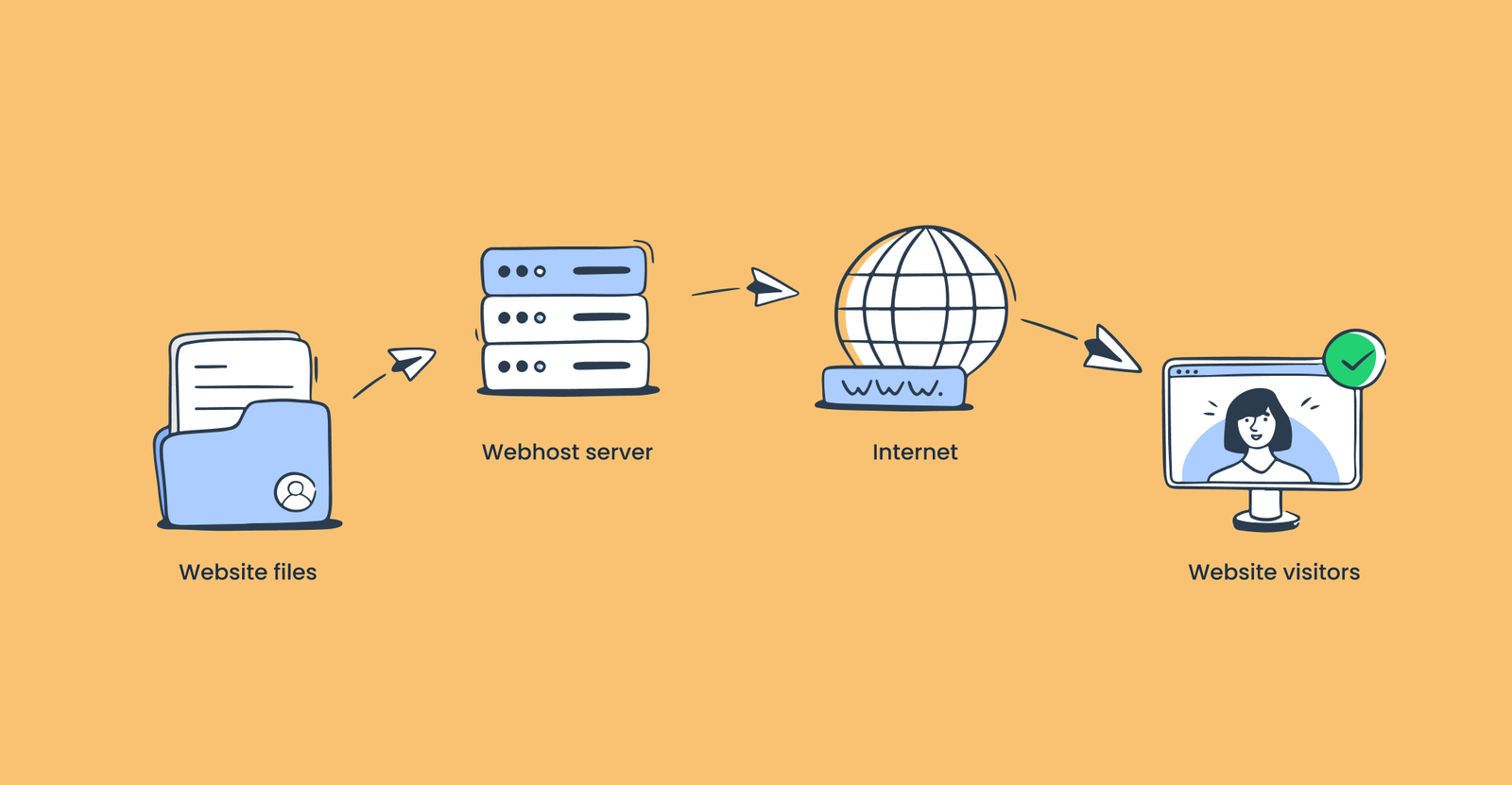
Email hosting is a service that operates email servers. It is often included as part of web hosting packages.
In today’s digital world, having a professional email address is crucial for businesses. Email hosting in web hosting provides companies with custom domain email addresses. This service ensures that emails are managed efficiently and securely. Unlike free email services, email hosting offers better security, support, and storage.
Understanding email hosting can help you choose the right service for your business needs. This blog post will explain what email hosting is, its benefits, and how it fits into web hosting. So, read on to discover how email hosting can enhance your online presence.

Credit: www.hostpapa.com
Introduction To Email Hosting
Email hosting is a crucial aspect of web hosting. It allows businesses to manage email accounts using their own domain name. This service is often overlooked, but it plays a vital role in professional communication.
Definition Of Email Hosting
Email hosting refers to a service that runs email servers. These servers handle and store emails for users. With email hosting, businesses can create custom email addresses. For example, yourname@yourdomain.com.
Most web hosting providers offer email hosting as part of their packages. Some also offer it as a standalone service. The main advantage is having a professional email address. This builds trust and credibility.
Importance In Web Hosting
Email hosting is essential for any business. It ensures secure and reliable communication. Here are some key points:
- Professional Appearance: A custom email address looks more professional.
- Security: Email hosting services offer better security features.
- Storage: These services provide ample storage for emails.
- Support: Email hosting often comes with dedicated support.
Without email hosting, businesses may rely on free email services. These services lack security and professional appeal. Investing in email hosting is a wise choice for any growing business.
| Feature | Free Email Services | Email Hosting |
|---|---|---|
| Custom Domain | No | Yes |
| Security | Basic | Advanced |
| Storage | Limited | Ample |
| Support | Limited | Dedicated |
Choosing the right email hosting provider is crucial. Look for one that offers robust security, ample storage, and reliable support.
How Email Hosting Works
Email hosting is a vital part of web hosting services. It allows businesses to manage their email communications effectively. Let’s explore how email hosting works through its basic functionality and key components.
Basic Functionality
Email hosting offers businesses a dedicated server for email management. This server handles sending, receiving, and storing emails. Here’s a breakdown of the basic functionality:
- Domain-Based Emails: Businesses can use custom email addresses linked to their domain.
- Secure Communication: Encryption ensures emails are secure from unauthorized access.
- Spam Filtering: Filters keep unwanted emails out of the inbox.
- Storage Management: Servers store emails, allowing users to access them anytime.
Key Components
Email hosting relies on several key components to function effectively. These components ensure that emails are delivered and stored properly:
| Component | Description |
|---|---|
| Mail Server | The backbone of email hosting, handling all email transactions. |
| DNS (Domain Name System) | Translates domain names to IP addresses, directing emails to the correct server. |
| Email Client | Software or application used to send, receive, and manage emails. |
| Protocols | IMAP, POP3, and SMTP protocols manage email transmission and retrieval. |
Email hosting services provide a seamless email experience for businesses. They ensure that all communication is secure, reliable, and professional. By understanding how email hosting works, you can make the most of its features for your business needs.
Types Of Email Hosting
Understanding the types of email hosting is crucial for businesses. It helps in choosing the right service for their needs. Let’s explore two main types: Shared Email Hosting and Dedicated Email Hosting.
Shared Email Hosting
Shared Email Hosting is a common choice for small businesses. It involves sharing a server with other users. This option is usually more affordable. It provides basic email functionalities. You get access to features like spam filtering and webmail. However, there are limitations. Resources are shared among many users. This can affect performance during peak times. It’s suitable for businesses with low email traffic.
Dedicated Email Hosting
Dedicated Email Hosting offers a server solely for one user or business. It provides more control and better performance. This option is ideal for larger organizations. It supports high email traffic and offers advanced features. Examples include custom configurations and enhanced security. Dedicated hosting ensures your emails are prioritized. It reduces the risk of downtime and delays. The cost is higher compared to shared hosting. But the benefits often outweigh the expense for growing businesses.
Benefits Of Email Hosting
Email hosting offers many benefits for businesses and individuals. It is more than just sending and receiving emails. Email hosting can enhance security, professionalism, and efficiency. Here are some of the key benefits of email hosting:
Enhanced Security
One of the top benefits is enhanced security. Email hosting services often include advanced security features. These features protect your email accounts from spam, viruses, and hacking attempts.
- Spam filters help keep your inbox clean.
- Anti-virus protection guards against malicious attachments.
- Encryption ensures your emails are private and secure.
These security measures help keep your information safe. They also reduce the risk of data breaches and cyber-attacks.
Professional Image
Email hosting helps create a professional image. Using a custom domain for your email address looks more professional. For example, you@yourcompany.com is better than you@gmail.com.
- It builds trust with clients and partners.
- It shows you are serious about your business.
- It helps with brand recognition.
A professional email address can make a great first impression. It can also help you stand out from competitors.
Choosing An Email Hosting Provider
Choosing the right email hosting provider is crucial for your business. It ensures seamless communication and professional interactions. With many options available, it can be overwhelming to make the right choice. Let’s break down the key factors and top providers for email hosting.
Factors To Consider
Several factors can influence your decision when choosing an email hosting provider. Understanding these can help you make an informed choice.
Reliability: Your email service must be reliable. Downtime can disrupt your business communications.
Security: Look for providers with strong security features. These include spam filters, antivirus protection, and encryption.
Storage: Consider how much storage you need. Providers offer varying amounts, so choose one that fits your needs.
Support: Responsive customer support is crucial. Ensure the provider offers 24/7 support if you need help.
Cost: Compare the costs of different providers. Ensure you get good value for your money.
Top Providers
Now that you know what to look for, here are some top email hosting providers.
Google Workspace: Google Workspace is popular for its reliability and integration with other Google services.
Microsoft 365: Microsoft 365 offers robust security and integrates well with Microsoft Office products.
Zoho Mail: Zoho Mail is a cost-effective option. It provides good storage and security features.
Rackspace Email: Rackspace Email is known for its excellent customer support. It also offers good security and storage options.
These providers offer a range of services to meet different needs. Choose the one that best suits your business requirements.
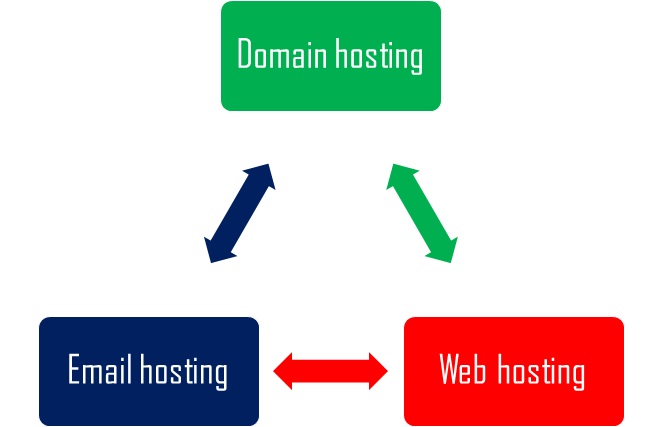
Credit: mailsafi.com
Setting Up Email Hosting
Setting up email hosting is a crucial step for any business. It allows you to use your domain name for email addresses. This makes your communication more professional. Here, we’ll guide you through the process and address common challenges.
Step-by-step Guide
Follow these steps to set up your email hosting:
- Choose an Email Hosting Provider: Select a provider that fits your needs. Popular options include Google Workspace and Microsoft 365.
- Register Your Domain: Ensure you have a registered domain name. This will be part of your email address (e.g., name@yourdomain.com).
- Set Up DNS Records: Update your domain’s DNS records. This step connects your domain to your email hosting provider. You will need to add MX records, CNAME records, and TXT records.
- Create Email Accounts: Log in to your email hosting provider’s dashboard. Create email accounts for your users (e.g., info@yourdomain.com).
- Configure Email Clients: Set up your email accounts on your preferred email clients. You can use software like Outlook, Thunderbird, or your smartphone’s mail app.
- Test Your Setup: Send and receive test emails. This ensures everything is working correctly.
Common Challenges
While setting up email hosting, you may face some challenges:
- DNS Propagation: Changes to DNS records can take time to propagate. This can delay your email setup by up to 48 hours.
- Configuration Errors: Incorrect DNS settings can cause email delivery issues. Double-check your MX, CNAME, and TXT records.
- Email Client Configuration: Ensuring compatibility with different email clients can be tricky. Follow the provider’s guides for each client.
- Spam Filters: New email setups may end up in spam folders. Educate users on marking emails as ‘not spam.’
By following this guide, you can set up your email hosting smoothly. Addressing common challenges will ensure reliable email communication for your business.
Email Hosting Vs Free Email Services
Email hosting offers more control and features compared to free email services. It provides custom domains and better security. Ideal for businesses needing professional communication.
In the world of web hosting, email hosting plays a vital role. Many people often wonder about the differences between email hosting and free email services. Both options have their pros and cons. Understanding these can help you make a better choice for your business.Cost Comparison
Email hosting usually comes with a cost. You pay for the service based on your needs. Free email services, such as Gmail or Yahoo, do not charge you. They make money through ads and limited features.Feature Differences
Email hosting offers more features. These include custom domain names, better security, and more storage. Free email services offer basic features. They lack the advanced tools that email hosting provides.
Credit: hostingblog.ie
Future Trends In Email Hosting
The world of email hosting is evolving rapidly. Staying ahead of the curve means understanding future trends in this domain. Let’s explore what’s on the horizon for email hosting and what this means for businesses and individuals alike.
Technological Advancements
Technological advancements are shaping the future of email hosting. With the rise of artificial intelligence (AI), email services are becoming smarter and more efficient. AI can filter spam, categorize emails, and even suggest replies. This makes email management easier and less time-consuming.
Another key advancement is the integration of cloud computing. Cloud-based email hosting offers scalability and flexibility. Businesses can adjust their email storage and services based on their needs. This ensures cost-effectiveness and efficiency.
Encryption and security technologies are also advancing. Stronger encryption methods ensure that emails remain secure and private. This is crucial in an era where cyber threats are on the rise. Future email hosting services will likely offer more robust security features to protect user data.
Market Predictions
Market predictions for email hosting indicate significant growth. According to industry reports, the global email hosting services market is expected to grow at a steady pace. Businesses are increasingly relying on email hosting for their communication needs.
One reason for this growth is the rise of remote work. With more people working from home, reliable email hosting services are essential. They ensure seamless communication and collaboration among remote teams.
Another trend is the increasing demand for personalized email services. Businesses want to offer customized email experiences to their customers. This includes personalized email domains, custom email templates, and advanced analytics. Email hosting providers are likely to focus on these features to meet market demands.
| Trend | Description |
|---|---|
| AI Integration | Smarter email management and automation. |
| Cloud Computing | Scalable and flexible email hosting solutions. |
| Enhanced Security | Stronger encryption and data protection. |
| Remote Work | Increased demand for reliable email services. |
| Personalization | Customized email experiences for users. |
To summarize, the future of email hosting is bright and full of opportunities. With technological advancements and evolving market needs, email hosting will continue to grow and innovate.
Frequently Asked Questions
What Is Meant By Email Hosting?
Email hosting is a service that rents out email servers to manage and store your emails. It provides custom domain email addresses.
What Is The Difference Between Web Hosting And Email Hosting?
Web hosting stores your website files and data on a server. Email hosting manages your email accounts and messages.
Do I Need Email Hosting For My Domain?
Yes, you need email hosting for your domain to have professional email addresses. It ensures reliable email delivery and better branding.
What Is The Email Hosting Process?
Email hosting involves renting server space to manage and store email accounts. It includes domain registration, setup, and maintenance.
Conclusion
Email hosting is essential for a professional online presence. It ensures reliable communication and secure data storage. Choosing the right email hosting service supports your business needs. It also enhances your brand image. Easy setup and management make it convenient for users.
Evaluate your options carefully. Select a service that fits your requirements and budget. Remember, good email hosting can improve your credibility. It’s a small investment with significant benefits. Start optimizing your email communication today!


