
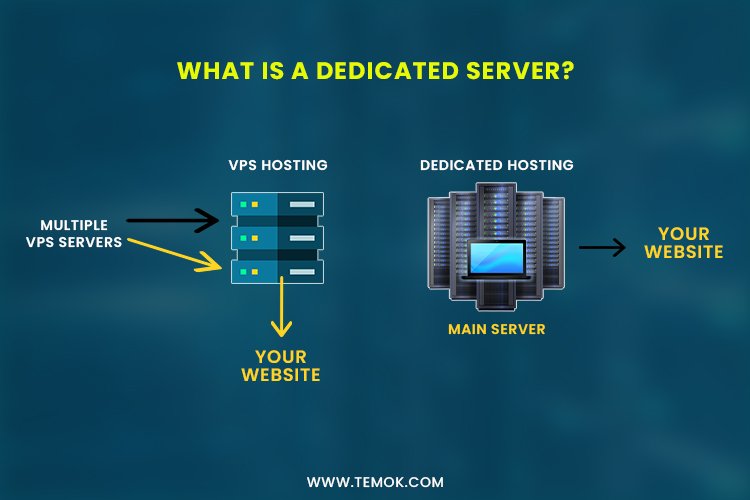
Dedicated hosting is a type of web hosting. It means your website gets its own server.
In today’s digital world, having a reliable and fast website is crucial. Dedicated hosting offers a unique solution. Unlike shared hosting, where many websites share one server, dedicated hosting gives your website its own server. This means more resources, better performance, and increased security for your site.
It’s like having a private space on the internet, tailored just for your needs. Whether you run a large business or have a high-traffic website, dedicated hosting can provide the power and reliability you need. In this blog post, we’ll explore what dedicated hosting is, how it works, and its benefits.
Introduction To Dedicated Hosting
Dedicated hosting is a powerful web hosting option. It provides a server entirely for your use. This means you are not sharing resources with others. This kind of hosting is ideal for high-traffic websites.
Definition
Dedicated hosting means you rent a whole server. The server is not shared with anyone else. This gives you full control over its settings. You can customize it to meet your needs. It is like having your own private server.
Importance
Dedicated hosting offers many benefits. It provides better performance. With dedicated resources, your site runs faster. This improves user experience. It also boosts your site’s search engine ranking.
Security is another key benefit. With dedicated hosting, your data is more secure. You are not sharing space with others, reducing the risk of breaches. This is crucial for businesses handling sensitive data.
Lastly, dedicated hosting offers better support. Hosting providers often offer specialized support for dedicated servers. This helps resolve issues quickly.
How Dedicated Hosting Works
Dedicated hosting is a type of web hosting where a client leases an entire server not shared with anyone else. This ensures enhanced performance, security, and control. Understanding how dedicated hosting works can help you make an informed decision for your business needs. Let’s dive into its key components.
Server Allocation
With dedicated hosting, you get a whole server dedicated to your needs. This means you don’t share resources with other websites. The hosting provider allocates the server exclusively to you. You can choose the server specifications based on your requirements. This includes CPU, RAM, storage, and bandwidth.
The server can be tailored to meet specific performance needs. This flexibility ensures your website runs smoothly, even during high traffic periods.
Resource Management
One of the main benefits of dedicated hosting is resource management. Since you have a dedicated server, you have full control over its resources. You can allocate resources based on your website’s demands.
- CPU: Choose the number of processors you need.
- RAM: Decide the amount of memory necessary for your operations.
- Storage: Select the storage type and capacity.
- Bandwidth: Ensure you have enough bandwidth for data transfer.
This control allows for better performance and reliability. Your website won’t be affected by other users’ activities.
Effective resource management ensures your website can handle traffic spikes. It also improves load times and overall user experience.
Key Benefits
Dedicated hosting offers numerous advantages for your website. Understanding these key benefits can help you decide if this hosting type fits your needs. Below, we will explore the significant benefits of dedicated hosting, focusing on performance and security.
Performance
Dedicated hosting provides better performance than shared hosting. Your website gets the entire server’s resources. This means faster load times and smoother operation. High traffic websites benefit greatly from this setup. The consistent speed enhances user experience, keeping visitors engaged.
Security
With dedicated hosting, security is a top priority. You have complete control over the server. This allows you to implement your own security measures. Dedicated hosting reduces the risk of malware and hacking. Sensitive data stays safer compared to shared servers. Dedicated IP addresses also reduce the risk of blacklisting. This ensures your emails and communications remain reliable.

Credit: www.bluehost.com
Comparing Shared Vs. Dedicated Hosting
Choosing the right hosting plan is crucial for your website’s success. In the world of web hosting, shared and dedicated hosting are two popular options. Understanding their differences can help you make an informed decision.
Resource Allocation
Shared hosting means multiple websites share the same server resources. This includes CPU, RAM, and bandwidth. If one site uses more resources, others may suffer. Dedicated hosting, on the other hand, allocates all server resources to a single website. This ensures full access to the server’s capabilities.
Performance Differences
Performance can vary greatly between shared and dedicated hosting. Shared hosting often experiences slower load times. High traffic on one site can affect others. Dedicated hosting offers faster and more reliable performance. Your website has its own server, leading to quicker response times.
Types Of Dedicated Hosting
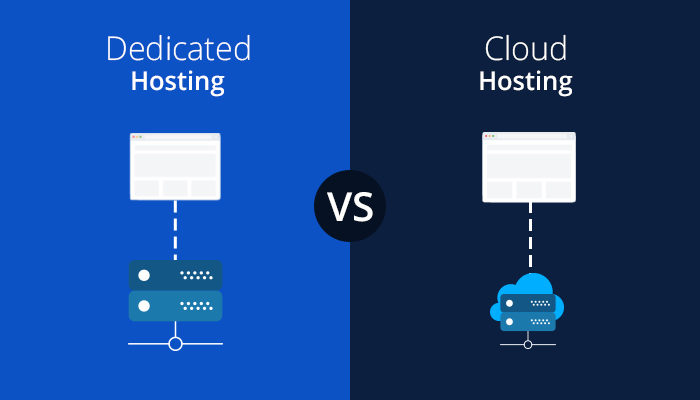
Dedicated hosting provides a server solely for your use. It ensures high performance, security, and control. There are different types of dedicated hosting. Each offers unique features and benefits. Let’s explore the two main types: Managed Hosting and Unmanaged Hosting.
Managed Hosting
Managed hosting includes full support from your hosting provider. They handle server maintenance, security updates, and backups. This option is perfect for businesses with limited technical expertise. It allows you to focus on your core activities. Managed hosting ensures your server runs smoothly. It offers peace of mind knowing experts are managing your server.
Unmanaged Hosting
Unmanaged hosting gives you full control over your server. You are responsible for server setup, maintenance, and security. This option suits businesses with strong technical skills. It offers flexibility and customization. Unmanaged hosting is often more affordable. It allows you to configure the server to meet your specific needs. However, it requires time and expertise to manage effectively.
Credit: www.cloudways.com
Choosing The Right Provider
Choosing the right dedicated hosting provider is crucial. It can impact your website’s performance, security, and reliability. You need to consider several factors to make an informed decision.
Considerations
Here are some key considerations when choosing a dedicated hosting provider:
- Performance: Look for high uptime guarantees and fast server speeds.
- Security: Ensure they offer robust security features like firewalls and DDoS protection.
- Support: 24/7 customer support is essential for resolving issues quickly.
- Scalability: Choose a provider that allows easy upgrades as your site grows.
- Price: Compare pricing plans to ensure you get value for your money.
Top Providers
Here is a list of some of the top dedicated hosting providers:
| Provider | Key Features |
|---|---|
| Bluehost |
|
| HostGator |
|
| InMotion Hosting |
|
| A2 Hosting |
|
Setting Up Dedicated Hosting
Setting up dedicated hosting is a crucial step for any business. It ensures maximum performance and control over your server. This section will guide you through the initial setup and provide configuration tips to optimize your dedicated hosting experience.
Initial Setup
The initial setup of your dedicated hosting involves several key steps. First, choose a reliable hosting provider. Look for features like uptime guarantee, customer support, and scalability.
Next, select the right server specifications. Consider factors like CPU, RAM, and storage based on your needs. Here’s a simple table to help you decide:
| Use Case | CPU | RAM | Storage |
|---|---|---|---|
| Small Website | 2 Cores | 4 GB | 50 GB SSD |
| Medium Website | 4 Cores | 8 GB | 100 GB SSD |
| Large Website | 8 Cores | 16 GB | 200 GB SSD |
After selecting your server specs, proceed to install the operating system. Most hosting providers offer options like Linux or Windows. Choose the one that best suits your software requirements.
Configuration Tips
Once your server is up, it’s time to configure it. Start by setting up security measures. Use firewalls and install antivirus software to protect your server.
Then, configure your server settings. Optimize settings for performance and reliability. Here are some tips:
- Enable SSH access: Securely manage your server remotely.
- Set up automated backups: Ensure data safety and recovery.
- Monitor server performance: Use tools to track CPU and RAM usage.
Finally, install the necessary software and applications. Ensure they are compatible with your server’s OS. Regularly update your software to keep your server secure and efficient.
By following these steps, you’ll have a well-configured dedicated server ready to support your business needs.
Common Use Cases
Dedicated hosting is a powerful solution for websites requiring exclusive server resources. Let’s explore some common use cases for dedicated hosting, focusing on e-commerce websites and high-traffic blogs.
E-commerce Websites
Businesses with online stores often need dedicated hosting. This ensures fast page loading and a smooth shopping experience.
- Handles high traffic during peak shopping seasons.
- Provides enhanced security for sensitive customer data.
- Offers scalability for growing product catalogs and user base.
A dedicated server helps in managing large databases and heavy transaction loads. It also ensures compliance with data protection regulations.
High-traffic Blogs
Blogs with many daily visitors benefit from dedicated hosting. It offers reliability and consistent performance.
- Supports large volumes of concurrent users.
- Prevents downtime during traffic spikes.
- Enhances page load speed for better user experience.
Dedicated hosting allows bloggers to customize server settings. This helps in optimizing the site’s performance and security.
Cost Considerations
Understanding the costs involved in dedicated hosting is crucial. Many factors influence the price, such as server specifications, bandwidth, and support. Knowing how to budget wisely can help you make the right choice.
Budgeting Tips
When planning for dedicated hosting, consider these tips to manage costs:
- Assess your needs: Determine the resources your website requires.
- Compare plans: Look at different providers and their offerings.
- Plan for growth: Choose a plan that allows for future expansion.
- Factor in hidden costs: Look out for setup fees and maintenance costs.
These steps help you avoid overspending and ensure you get the right plan.
Value For Money
Value for money is key in dedicated hosting. It’s not just about price; you should also consider the benefits:
- Reliability: Dedicated servers offer high uptime and stability.
- Performance: Expect faster load times and better user experience.
- Security: Dedicated hosting provides enhanced security features.
- Support: Access to 24/7 technical support can be invaluable.
While dedicated hosting can be more expensive, the benefits often justify the cost. Make sure to weigh these factors when choosing a provider.

Credit: www.bluehost.com
Future Of Dedicated Hosting
The future of dedicated hosting looks promising. With constant technological progress, dedicated hosting remains a reliable choice for businesses. The demand for robust, secure, and efficient hosting solutions continues to grow. This growth is driven by the need for better online experiences and data security.
Technological Advances
Technological advances play a crucial role in the future of dedicated hosting. Faster processors, better RAM, and improved storage options enhance performance. These upgrades ensure websites load quickly and handle more traffic.
Cloud integration with dedicated hosting is also on the rise. This combination offers flexibility and scalability. Businesses can scale resources up or down as needed. This feature helps in managing costs and performance efficiently.
Artificial Intelligence (AI) and machine learning are emerging trends. They help in predicting server issues and optimizing performance. AI can also enhance security by detecting threats early. This proactive approach ensures a safer hosting environment.
Market Trends
Market trends show a steady increase in demand for dedicated hosting. Businesses prefer dedicated hosting for its reliability and security. E-commerce websites, financial institutions, and large enterprises benefit the most.
The rise of remote work has also impacted hosting needs. Companies need robust and secure servers to support remote access. Dedicated hosting meets these needs effectively.
Green hosting is another growing trend. Companies are becoming environmentally conscious. Dedicated hosting providers are adopting energy-efficient practices. This includes using renewable energy sources and optimizing server usage.
Customization options are expanding. Businesses can now tailor their hosting environment to meet specific needs. This flexibility makes dedicated hosting a preferred choice for many.
Frequently Asked Questions
What Is Dedicated Hosting?
Dedicated hosting means your website gets its own server. This provides better performance and security. It is ideal for high-traffic websites.
How Does Dedicated Hosting Work?
In dedicated hosting, a server is exclusively leased to a single client. This ensures better control and customization. It eliminates resource sharing with others.
Who Needs Dedicated Hosting?
Dedicated hosting is best for large businesses. It suits websites with high traffic and resource demands. It ensures maximum performance and security.
What Are The Benefits Of Dedicated Hosting?
Dedicated hosting offers enhanced performance, security, and control. It allows for custom configurations. It supports high-traffic websites without performance issues.
Conclusion
Dedicated hosting offers many advantages for your online presence. It provides exclusive resources, improving performance and security. With dedicated servers, you get full control and customization. For businesses needing reliability, dedicated hosting is a wise choice. Understand your needs and budget before deciding.
Dedicated hosting can significantly enhance your website’s functionality. Choose wisely to ensure your site’s success.


