
In today’s digital age, web hosting is essential for any website. It affects your site’s speed, security, and reliability.
Choosing the right type of web hosting can be confusing, especially with many options available. From shared hosting to dedicated servers, each type serves different needs and budgets. Understanding these options helps you make an informed decision. This guide will explore the various types of web hosting, explaining their features and benefits.
Whether you’re launching a personal blog or managing a business site, knowing your hosting options is crucial. Let’s dive into the details and find the perfect web hosting for your needs.
Credit: community.aws
Introduction To Web Hosting
Starting a website is exciting but requires some technical knowledge. One key area to understand is web hosting. This blog will introduce you to web hosting, its importance, and how to choose the right host.
What Is Web Hosting?
Web hosting is a service that allows your website to be accessible on the internet. Think of it as renting space on a server where your website files live. When someone types your web address, the server delivers your site to their browser.
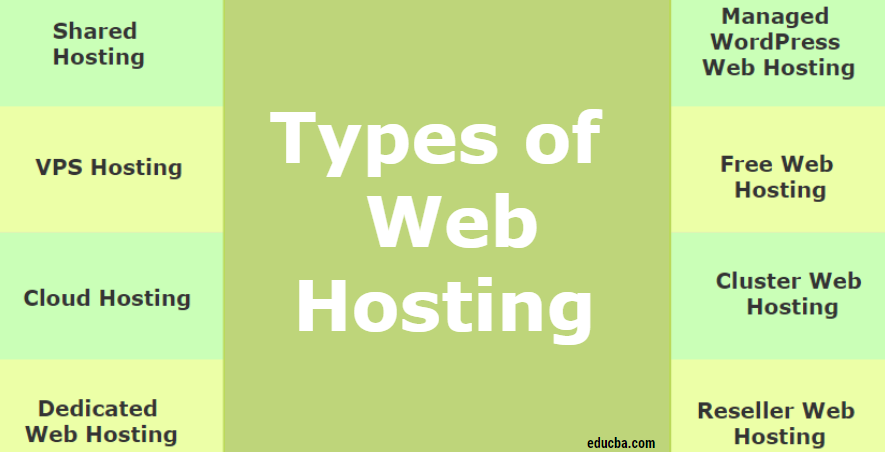
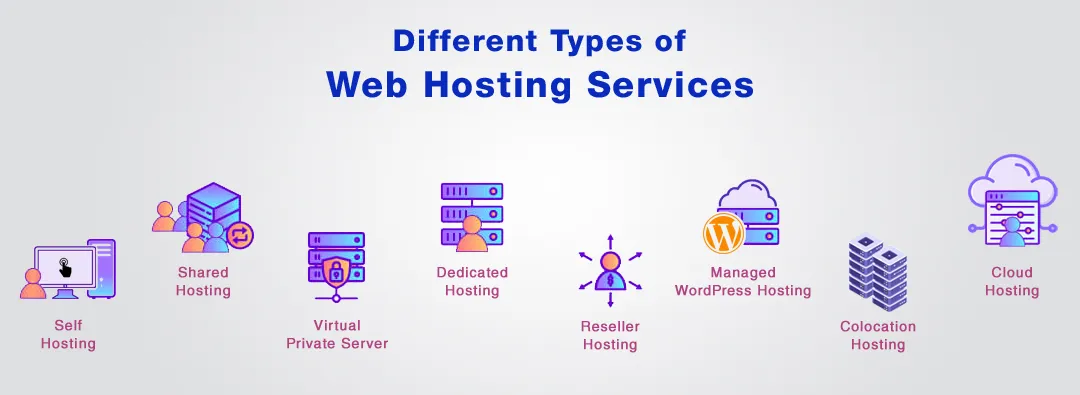
There are different types of web hosting:
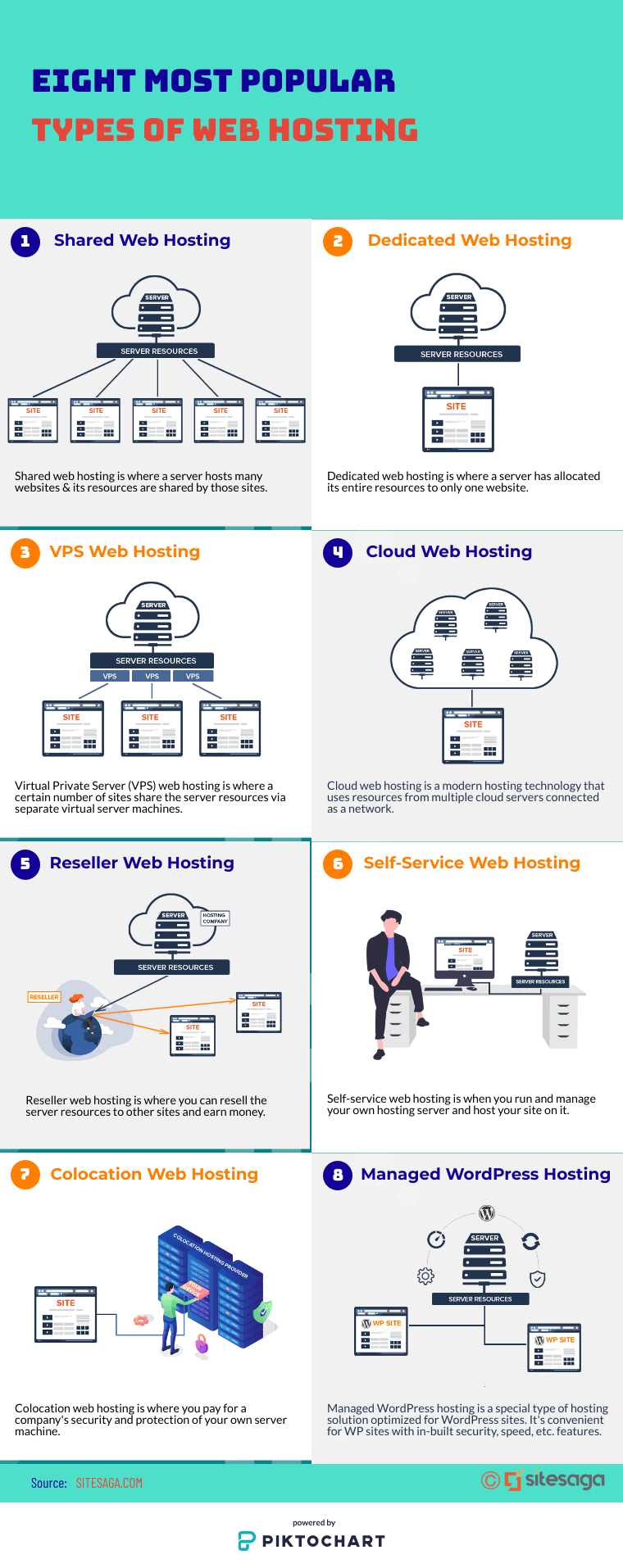
- Shared Hosting: Multiple websites share one server.
- VPS Hosting: A virtual private server, more control than shared.
- Dedicated Hosting: You have an entire server to yourself.
- Cloud Hosting: Uses multiple servers to host your site.
Importance Of Choosing The Right Host
Choosing the right web host affects your site’s performance. A good host ensures fast load times and high uptime. This keeps visitors happy and helps your SEO.
Consider the following factors:
- Speed: Fast servers improve user experience.
- Uptime: High uptime means your site is always available.
- Support: Good customer support helps resolve issues quickly.
- Scalability: Choose a host that can grow with your site.
Making the right choice in web hosting is crucial. It impacts your website’s success. Take time to research and select a host that meets your needs.
Shared Hosting
Shared hosting is a popular choice for many website owners. It’s a cost-effective solution where multiple websites share a single server. This makes it affordable and easy to manage. Shared hosting is ideal for small businesses, personal blogs, and new websites with moderate traffic.
Advantages Of Shared Hosting
Shared hosting has several benefits that make it appealing, especially for beginners and small-scale websites.
- Cost-Effective: Shared hosting is very affordable. You share server costs with other users.
- Ease of Use: It comes with a control panel. This makes managing your website simple.
- Maintenance: The hosting provider handles server maintenance. You can focus on your content.
- Support: Many shared hosting plans offer 24/7 customer support. This is helpful for solving issues quickly.
Disadvantages Of Shared Hosting
While shared hosting has its perks, it also comes with some drawbacks.
- Performance Issues: Shared resources can lead to slower performance. High traffic on one site can affect others.
- Limited Resources: You have limited server resources. This can be restrictive as your site grows.
- Security Risks: Sharing a server with others can pose security risks. A breach in one site can affect others.
- Customization Limits: Shared hosting offers less flexibility. You have fewer options for customization and software installation.
Vps Hosting
VPS Hosting, short for Virtual Private Server Hosting, is a popular web hosting choice. It bridges the gap between shared hosting and dedicated hosting. With VPS Hosting, your website resides on a virtual server. This server mimics a dedicated server within a shared hosting environment. You get more control and resources than shared hosting without the high cost of a dedicated server.
Benefits Of Vps Hosting
One of the main benefits of VPS Hosting is enhanced performance. Your website gets dedicated resources, which means better speed and stability. This is crucial for websites with moderate to high traffic. Additionally, VPS Hosting offers greater control. You can customize the server settings to meet your needs. You also get root access, allowing you to install any software you require.
Security is another significant benefit. VPS Hosting is more secure than shared hosting. Each VPS is isolated from others, reducing the risk of security breaches. You can also implement your own security measures. This ensures your data remains safe.
Drawbacks Of Vps Hosting
Despite its benefits, VPS Hosting has some drawbacks. One major drawback is the cost. VPS Hosting is more expensive than shared hosting. This can be a concern for small businesses or personal websites with limited budgets.
Technical knowledge is another drawback. Managing a VPS requires more technical expertise. Users must understand server management and troubleshooting. This can be challenging for beginners. Without proper knowledge, managing a VPS can lead to issues and downtime.
Lastly, resource limitation can be an issue. Although VPS offers dedicated resources, they are still limited. For very high-traffic websites, a dedicated server may be necessary. Knowing your website’s needs is essential before choosing VPS Hosting.
Dedicated Hosting
Dedicated hosting is a type of web hosting where a single server is dedicated to one website. This means you have full control over the server, including its resources and configurations. It is ideal for large businesses or websites with high traffic.
Pros Of Dedicated Hosting
Dedicated hosting offers numerous benefits. You get complete control over your server. This means you can customize it to meet your specific needs. It also provides high performance. Your website gets all the server’s resources, ensuring fast load times.
Another advantage is enhanced security. With dedicated hosting, you don’t share the server with other websites. This reduces the risk of security breaches. You can also install your own security measures. This adds an extra layer of protection.
Dedicated hosting also supports large websites. It can handle high traffic without slowing down. This makes it perfect for e-commerce sites and large businesses.
Cons Of Dedicated Hosting
Despite its benefits, dedicated hosting has some downsides. The cost is a major factor. It is more expensive than other types of hosting. This might not be suitable for small businesses or personal websites.
Another drawback is the technical knowledge required. Managing a dedicated server needs advanced skills. You need to handle server maintenance, updates, and security. This can be challenging if you don’t have technical expertise.
Dedicated hosting also lacks scalability. Upgrading your server can be complex and costly. If your website grows, you may need to migrate to a new server. This can lead to downtime and potential data loss.
Cloud Hosting
Cloud Hosting is a modern web hosting solution that uses multiple servers to balance load and maximize uptime. Unlike traditional hosting, it doesn’t rely on a single server but a network of servers working together. This setup offers various benefits and some challenges, which we will explore in this section.
Features Of Cloud Hosting
Cloud Hosting offers several key features:
- Scalability: Easily scale resources up or down based on demand.
- Reliability: Multiple servers ensure high availability and uptime.
- Cost-Efficiency: Pay only for the resources you use.
- Performance: Distributes load across multiple servers for optimal speed.
- Flexibility: Supports various applications and workloads.
Challenges Of Cloud Hosting
Despite its benefits, Cloud Hosting has some challenges:
- Complexity: Managing a cloud environment can be complex and requires technical expertise.
- Cost Management: Costs can add up quickly if not monitored properly.
- Security: Ensuring data security across multiple servers can be challenging.
- Dependency on Internet: Cloud services rely heavily on a stable internet connection.
Credit: www.sitesaga.com
Managed Hosting
Managed Hosting is a type of web hosting where the provider takes care of all the technical aspects. This includes server management, security, backups, and updates. It’s ideal for those who lack technical expertise or time to manage their own servers.
Why Choose Managed Hosting?
There are several reasons to choose Managed Hosting. Below are some key benefits:
- Expert Support: Managed hosting providers offer 24/7 support from experts.
- Automatic Updates: The server software is updated automatically.
- Security: Enhanced security measures are in place to protect your site.
- Performance Optimization: Your site is optimized for speed and efficiency.
- Backups: Regular backups are conducted to prevent data loss.
Potential Downsides Of Managed Hosting
While Managed Hosting offers many advantages, there are some potential downsides:
- Cost: Managed hosting is generally more expensive than unmanaged hosting.
- Less Control: You have less control over server settings and configurations.
- Dependency: You rely on the hosting provider for technical support.
Despite these drawbacks, many find Managed Hosting to be a worthwhile investment. It offers peace of mind and allows you to focus on your core business.
Factors To Consider
Choosing the right web hosting is crucial for your website’s success. Various factors influence this decision. Here, we explore key elements to consider.
Cost
The cost of web hosting varies widely. It depends on the type of service you choose. Shared hosting is usually the cheapest. Dedicated hosting can be quite expensive. It’s important to balance your budget with your needs.
- Shared Hosting: Budget-friendly, ideal for small websites.
- VPS Hosting: More expensive, suitable for growing sites.
- Dedicated Hosting: High cost, best for large sites with high traffic.
Scalability
Scalability is important as your website grows. You need a host that can handle increased traffic. Consider if the host allows easy upgrades. Here is a quick comparison:
| Hosting Type | Scalability |
|---|---|
| Shared Hosting | Limited |
| VPS Hosting | Moderate |
| Dedicated Hosting | High |
Security
Your website’s security is non-negotiable. Look for hosts that offer strong security measures. This includes:
- SSL Certificates
- Regular Backups
- Firewall Protection
- Malware Scans
Ensure your host provides these features to protect your data.
Support
Reliable support is essential. Issues can arise at any time. You need a host with 24/7 support. Consider the following:
- Live Chat Support
- Email Support
- Phone Support
- Knowledge Base
These options ensure you get help whenever you need it.
Credit: www.hostingseekers.com
Frequently Asked Questions
What Are Types Of Website Hosting?
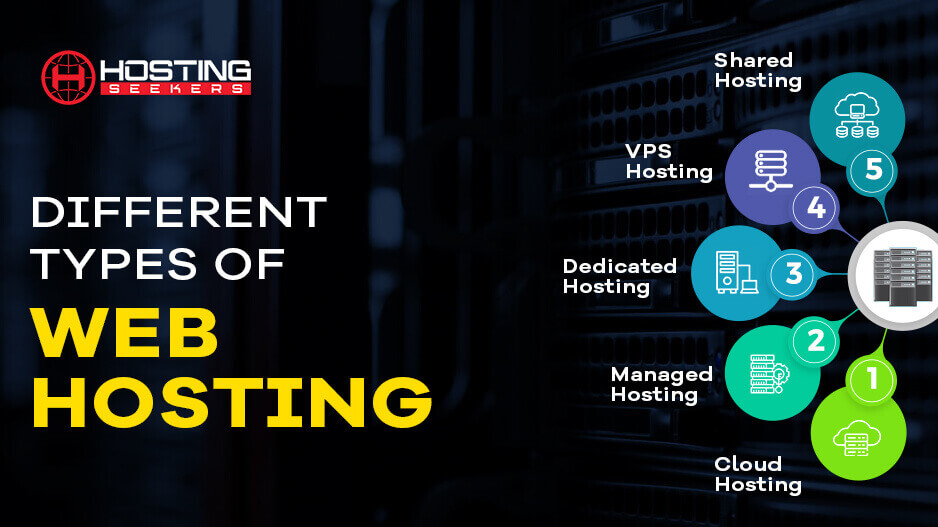
Types of website hosting include shared hosting, VPS hosting, dedicated hosting, cloud hosting, and managed hosting.
What Is The Best Type Of Web Hosting?
The best type of web hosting depends on your needs. Shared hosting suits beginners, while VPS offers more control. For high traffic, dedicated hosting is ideal.
Which Web Host Is Best?
The best web host depends on your needs. Popular choices include Bluehost, SiteGround, and HostGator for reliability and performance.
What Is Web Hosting And An Example?
Web hosting is a service that allows websites to be accessible on the internet. An example is Bluehost.
Conclusion
Choosing the right web hosting is crucial for your website’s success. Each type of hosting has unique features and benefits. Shared hosting suits small websites. VPS hosting offers more control. Dedicated hosting provides top performance. Cloud hosting scales with your needs.
Managed hosting saves time with maintenance. Consider your website’s needs and budget. Research and select the best option. Your website’s speed, security, and reliability depend on it. Make an informed choice and ensure your site thrives online.


